OutdoorCompass.net – Most camping mistakes aren’t about missing gear — they’re small, avoidable decisions that seem reasonable in the moment, right up until they turn into a frustrating night. This list covers common mistakes that can make a first car camping trip harder than it needs to be, rather than trail-based or backpacking trips.
Mistake #1: Not Testing Gear Before the Trip
Setting up a tent for the first time, or discovering a sleeping bag zipper is broken, is a lot more frustrating at the campsite than at home.
Fix: Do a practice tent setup and check your sleeping system before your trip, not during it — covered in more depth in the tent setup guide.
Read More → How to Set Up a Tent Properly: A Beginner’s Guide
Mistake #2: Arriving Late and Setting Up in the Dark
Traffic, a late start, or an underestimated drive time can easily push arrival past sunset, leaving you setting up an unfamiliar tent by headlamp.
Fix: Plan your departure time with a buffer, aiming to arrive with enough daylight to comfortably set up camp.
Mistake #3: Underestimating Nighttime Temperature
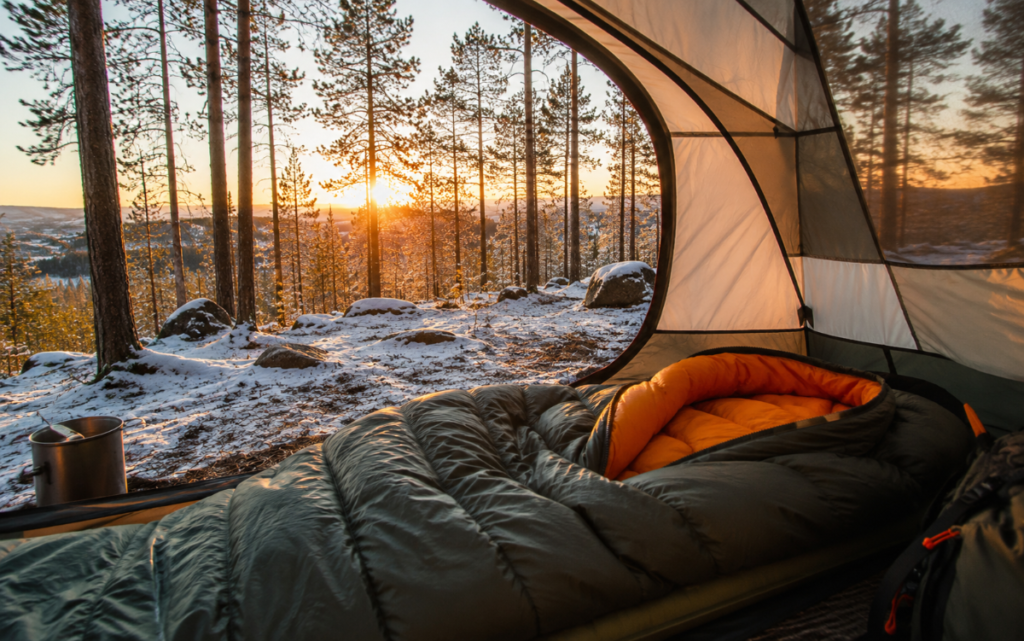
A warm afternoon doesn’t guarantee a warm night — temperatures can drop more than beginners expect once the sun goes down, particularly at higher elevation or in certain regions and seasons.
Fix: Check the overnight low specifically, not just the daytime high, and choose your sleeping bag rating accordingly rather than assuming the day’s warmth will carry through the night.
Mistake #4: Forgetting Camp-Specific Small Items
Extra tent stakes, enough trash bags, and basic camp supplies — small items that don’t feel critical when packing, but are genuinely inconvenient to be without once you’re at the site and can’t easily run to a store.
Fix: Work from a specific checklist rather than packing from memory — the full camping packing list covers these commonly forgotten items in detail.
Mistake #5: Poor Food Storage
Leaving food out or loosely stored can attract wildlife to your site, even at developed campgrounds, and can create an avoidable problem with a few basic storage habits.
Fix: Store food sealed and away from your sleeping area, and check whether your specific campground has designated storage requirements or infrastructure.
Read More → Camping Safety Tips: What Every Beginner Should Know
Mistake #6: Choosing a Tent Spot Without Checking It
Pitching directly on ground that turns out to be sloped, rocky, or a low point that collects water during rain is a common and avoidable discomfort.
Fix: Walk your specific tent spot before setting up — check for slope, low areas, and anything uncomfortable underfoot — rather than assuming any flat-looking patch within your site is equally good.
Mistake #7: Overpacking Food, Underpacking Water
Beginners often plan food carefully but underestimate water needs, sometimes assuming a campground water source will cover everything without a backup plan.
Fix: Confirm whether the campground’s water source is potable and available during your stay. If its availability is uncertain, bring enough backup water for your group rather than assuming the source will always be usable.
Mistake #8: Not Checking Campground Rules in Advance
Fire restrictions, quiet hours, pet policies, and check-in or check-out times vary significantly between campgrounds, and assuming they’re the same everywhere leads to avoidable surprises on arrival.
Fix: Check your specific campground’s rules before you go, rather than assuming general camping norms apply universally.
Mistake #9: Ignoring Weather Forecast Changes Close to Departure
Checking the forecast a week out and not looking again before leaving is a common gap — forecasts shift, sometimes significantly, as the date gets closer.
Fix: Do a final forecast check the day before or morning of departure, not just once during initial planning.
Mistake #10: No Backup Plan for Group or Kid Comfort
Especially with kids, not having a flexible backup plan — an earlier departure option, extra entertainment, or a plan if someone gets uncomfortable — can turn a manageable hiccup into a genuinely stressful trip.
Fix: Build in some flexibility rather than a rigid itinerary, particularly for a first trip with kids — the camping with kids guide covers this in more depth.
Frequently Asked Questions
What mistakes can make a first camping trip less enjoyable, even if they’re not unsafe?
Underestimating nighttime temperature and arriving too late to set up comfortably are two common examples — neither is necessarily dangerous on its own, but both can turn an otherwise fine trip into an uncomfortable one.
Are these mistakes different for RV camping?
Some overlap — weather awareness and checking campground rules still apply — but RV camping removes several tent-specific risks, such as tent setup timing and nighttime temperature exposure, while introducing its own considerations around vehicle size, hookups, and site compatibility that this guide doesn’t cover.
Preparation Prevents Many Camping Frustrations
Nearly everything on this list comes down to a bit of advance checking — gear tested, weather rechecked, rules confirmed, water backed up. None of it requires camping expertise, just a habit of not assuming things will work out by default.
OutdoorCompass
Explore More. Pack Smarter.