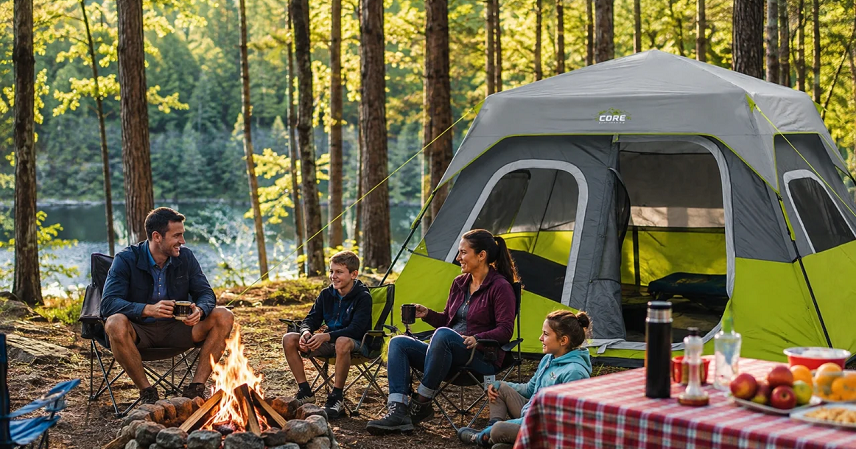
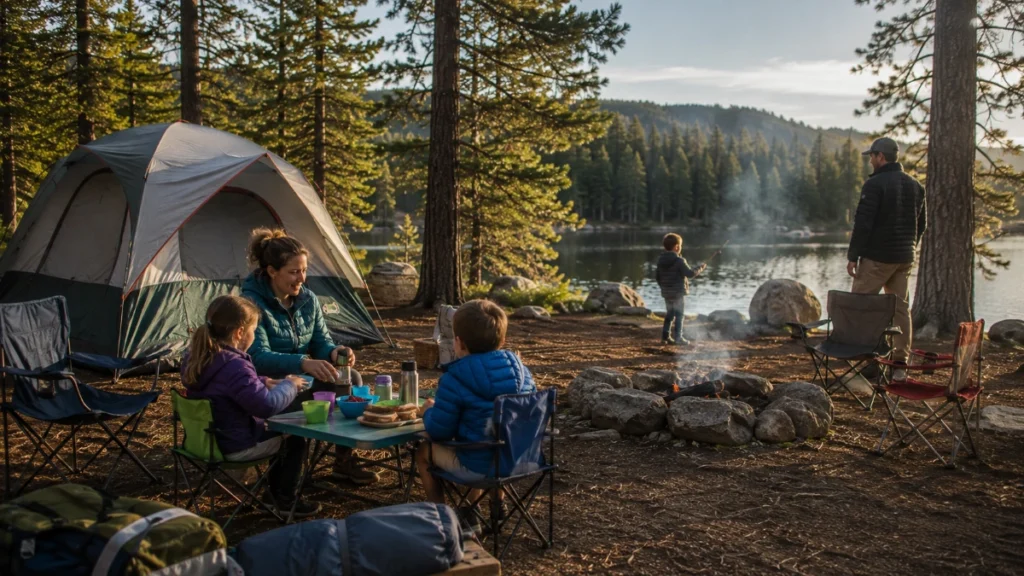
OutdoorCompass.net – Camping with kids can be a great way to introduce them to the outdoors, but it does call for some real adjustments compared with a typical adult or couples camping trip. This guide covers what actually changes when you’re bringing kids along, building on the general camping basics covered elsewhere in this guide series.
Key Adjustments
- Choose a closer campground with more useful amenities than you might otherwise.
- Build in more buffer time and flexibility than a typical adult trip.
- Pack a few kid-specific additions on top of your standard camping list.
- Plan for entertainment — kids generally need more active engagement than adults do.
- Keep expectations realistic; a first family trip doesn’t need to be flawless to be worthwhile.
Choosing a Kid-Friendly Campground
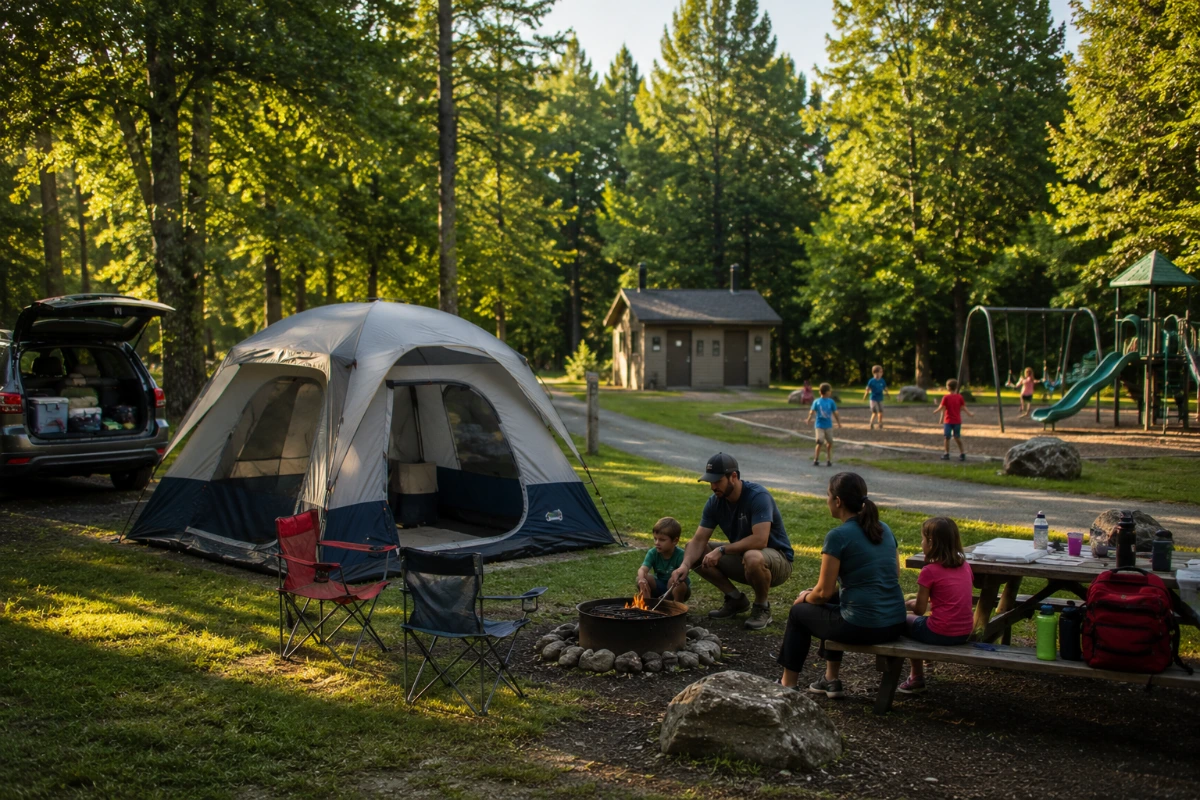
The general advice to pick a familiar, close-to-home location for a first camping trip matters even more with kids. A few additional things worth prioritizing:
- Proximity to restrooms, especially for younger kids who may need quick access.
- A play area or a designated recreational area, if available — this gives kids something to do beyond sitting around camp.
- Shorter drive time, since a long car ride before or after a big day can be harder on kids than adults.
Packing Adjustments for Kids
Beyond the standard camping checklist, a few kid-specific additions are worth planning for:
- Extra clothing — kids tend to get dirtier and wetter than adults, so pack more changes than you think you’ll need.
- Extra snacks and easy-to-eat food — kids often eat more frequently and are less flexible about waiting for a full meal.
- Any medications your child regularly takes, along with whatever instructions your healthcare provider has given you for using them.
- A familiar comfort item from home — a favorite stuffed animal or blanket can make an unfamiliar sleeping environment feel more manageable.
Safety Considerations Specific to Kids
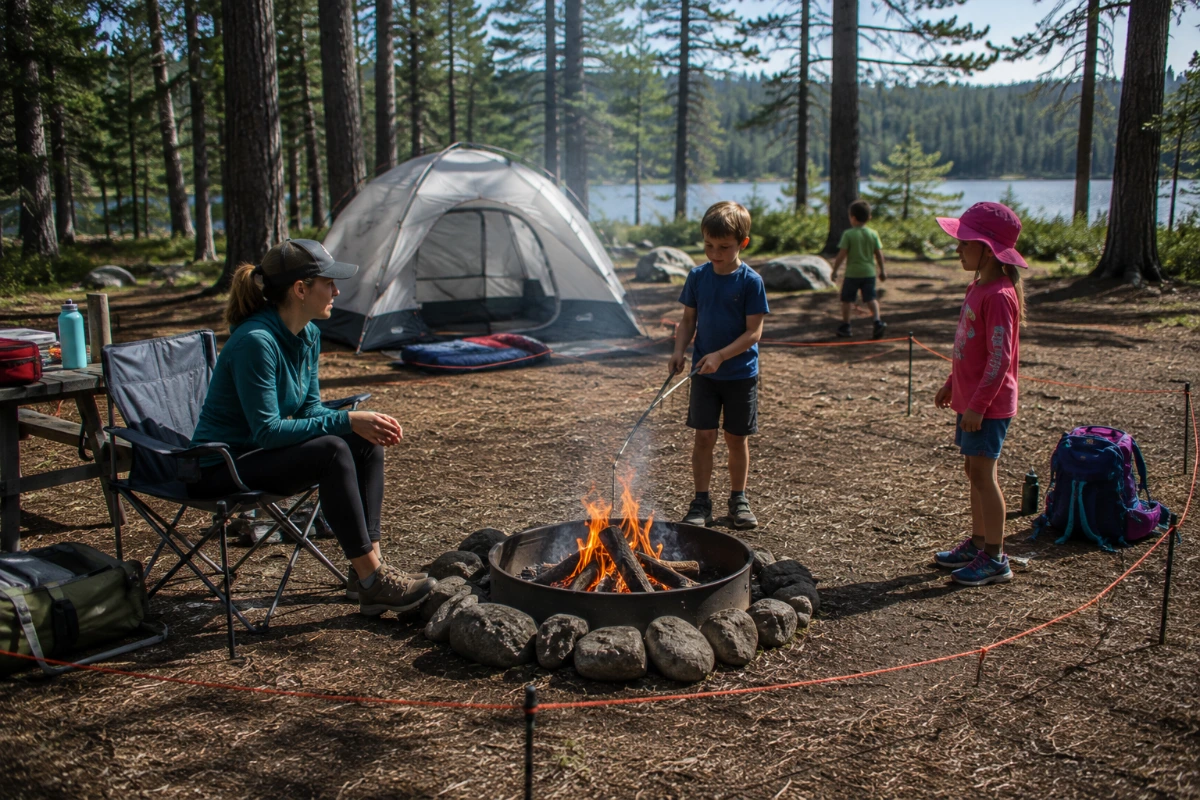
The general camping safety principles covered elsewhere in this guide still apply, with a few additional layers worth adding for kids specifically:
- Set clear, visible boundaries for where kids can play around the site, especially near water, roads, or the fire area.
- Keep closer supervision near the campfire than you might otherwise, given both the heat risk and kids’ natural curiosity about fire.
- Use sun protection appropriate for your child, including sunscreen, protective clothing, and shade, and follow the product’s application instructions.
This guide doesn’t offer medical advice specific to your child’s age or health — for anything beyond general outdoor safety, your own judgment and your child’s pediatrician are better sources than a general camping guide.
Managing Expectations and Entertainment
Some kids may not stay engaged with the slower pace of camping for very long, so having a few simple activities ready can help — they usually need something more active to stay engaged. A few general ideas:
- A simple nature scavenger hunt (finding specific leaves, rocks, or sounds)
- Age-appropriate games that don’t require much equipment
- Letting kids help with age-appropriate camp setup tasks — even something small like helping lay out the groundsheet can make them feel involved
Involving kids in the process, rather than just having them wait around while adults handle everything, tends to make the experience feel more like theirs too.
Sleep Considerations
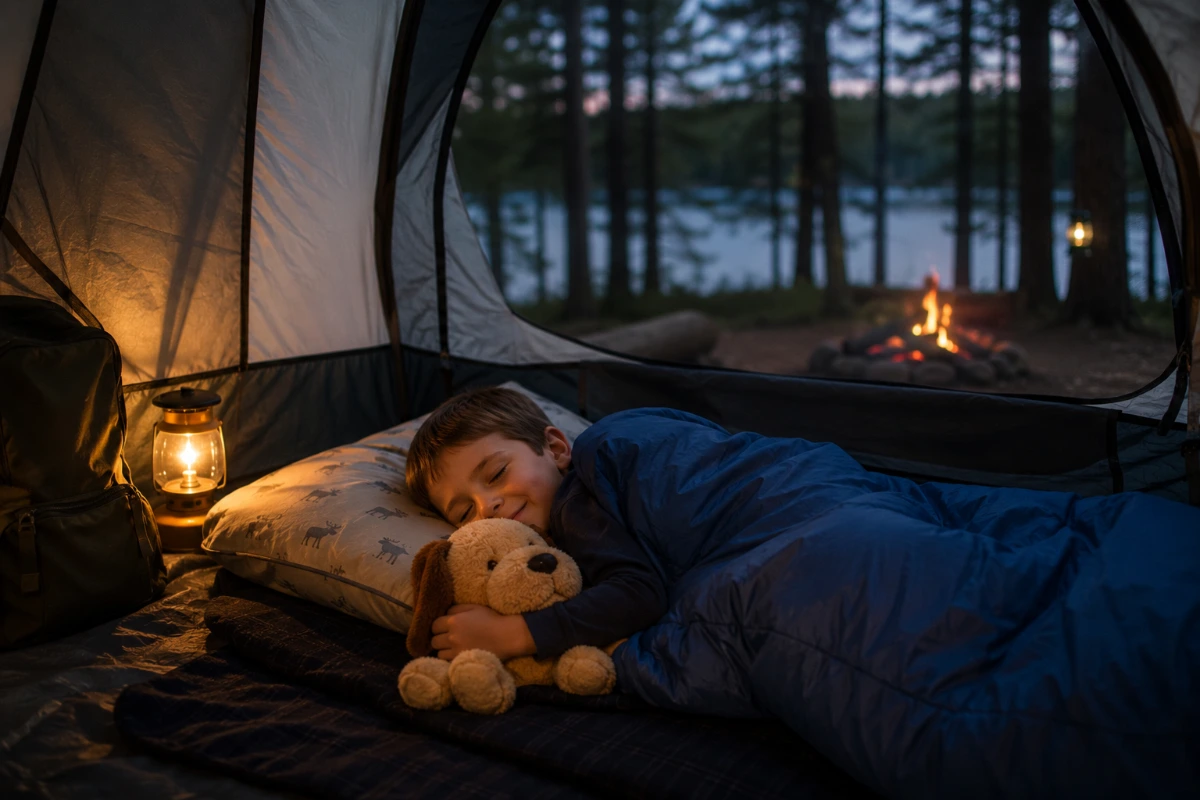
Sleeping in an unfamiliar environment can be a real adjustment for kids, more so than for adults. A few things that help:
- Bring familiar sleep items from home — a specific pillow, blanket, or stuffed animal.
- Don’t expect an identical bedtime routine to play out exactly as it does at home — some flexibility here reduces frustration for everyone.
- Plan for the possibility of an earlier or later start to the “sleep” part of the evening than your normal routine, and build that into your overall trip expectations.
Setting Realistic Expectations for the Trip
It’s worth being honest going in: a first family camping trip with kids doesn’t need to go perfectly to be worthwhile. Things will likely take longer than expected, plans may shift, and there may be a meltdown or two along the way. None of that means the trip failed — it’s a normal part of introducing kids to a new experience, and it tends to get smoother with each trip as everyone (kids included) gets more comfortable with what camping actually involves.
Frequently Asked Questions
What’s the right age to start bringing kids camping?
There’s no single universal answer — it depends heavily on your specific child and family. Many families start with car camping trips fairly young, since the proximity to the car and easy access to facilities and supplies reduces a lot of the typical camping challenges. Consider your child’s needs, your planned campsite and activities, and how easily you can access your car, facilities, or help if needed.
How do I keep my child warm and safe overnight?
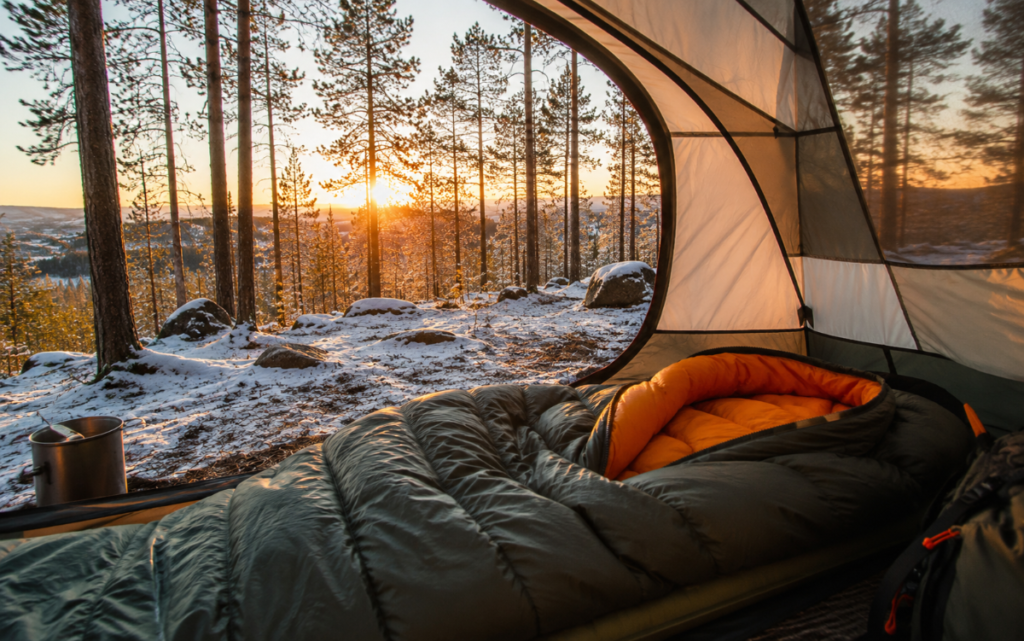
The same sleep system principles covered in the camping sleeping bag guide apply, with attention to choosing a bag rated appropriately for the expected temperature. For younger children, consider their normal sleep needs and make sure their sleep setup is appropriate for the expected conditions. Follow the sleeping-bag or sleep-system manufacturer’s guidance and use a sleep setup appropriate for your child’s age.
What if my child is scared of the dark or unfamiliar outdoor sounds?
This is a common and normal reaction to a new environment. A familiar comfort item, a small battery-powered light kept on low inside the tent, and simply talking through what different sounds are (wind, animals, other campers) can help. It’s also completely reasonable to have realistic expectations that this might take a trip or two to feel fully comfortable.
Family Camping Gets Easier With Practice
Camping with kids for the first time asks a bit more planning and patience than camping alone or as a couple, but it’s a genuinely accessible activity for families. Start close to home, keep your first trip simple, and treat any bumps along the way as part of the process rather than signs it isn’t working.
OutdoorCompass
Explore More. Pack Smarter.