OutdoorCompass.net – Backpacking introduces a different layer of risk because you are not simply hiking for a few hours and returning home. Once you spend the night on the trail, colder temperatures, greater distance from help, changing weather, and limited communication all become part of the safety equation.
Key Differences from Day-Hike Safety
- Nighttime temperatures can drop well below what daytime conditions suggest, especially at elevation.
- You’re farther from help for longer — retreating to safety generally takes more time than on a day hike.
- Weather awareness spans multiple days, not just the hours you’re actively hiking.
- Communication is less reliable, since many backpacking routes have limited or no cell signal for extended stretches.
- Fatigue can accumulate across days — repeated hiking, carrying a loaded pack, and sleeping away from home can affect how you make decisions and manage the next day’s effort.
Read More → Hiking Safety Tips: What Every Beginner Should Know Before Hitting the Trail
Nighttime Temperature Drops
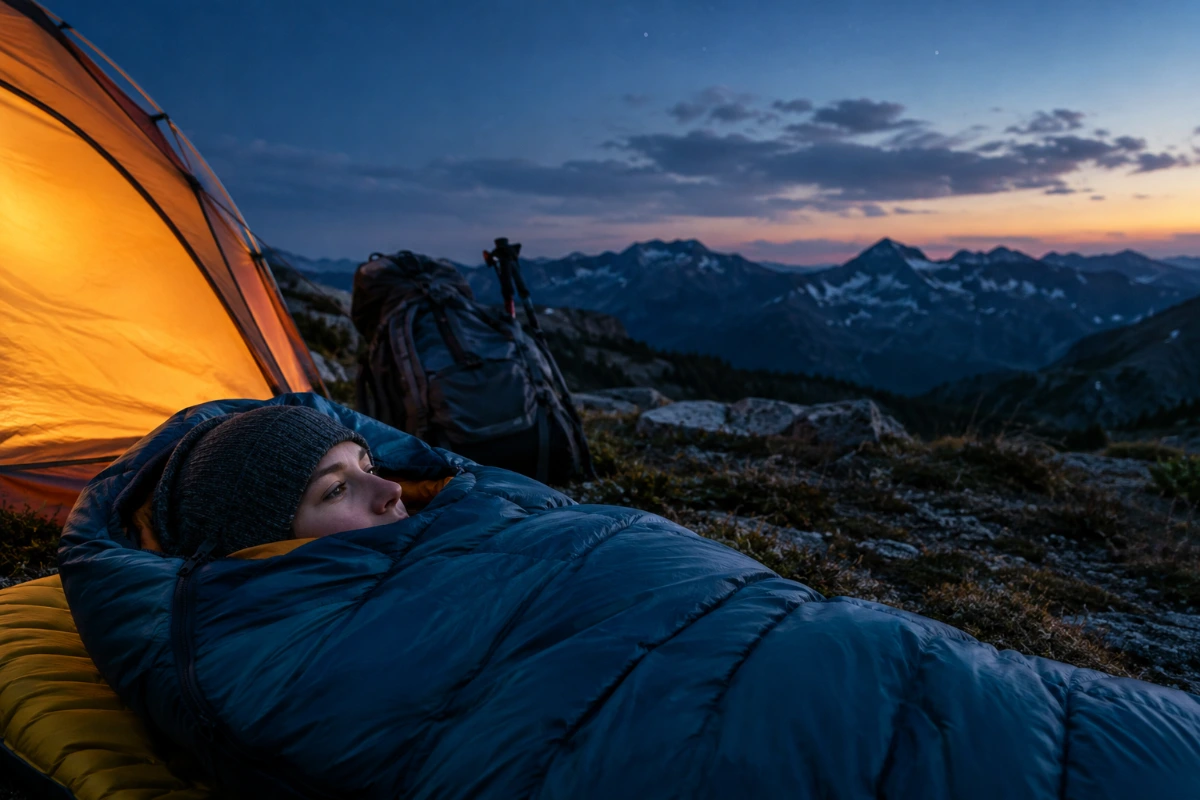
One of the more common surprises for new backpackers is how much colder it gets overnight compared to daytime hiking conditions. Nighttime conditions can be significantly colder than what you experience during the day, particularly when temperatures, wind, or elevation change.
This is exactly why an appropriately rated sleep system matters — not just any sleeping bag, but one suited to the actual overnight conditions you’ll face, which can be meaningfully colder than what the daytime forecast might suggest. The gear overview in the beginner’s backpacking guide covers this at a general level.
Increased Consequences of Being Far From Help
On a day hike, if something goes wrong, you’re often within a few hours of your car or a trailhead. On a backpacking trip, especially on routes with limited exit points, getting back to help can take considerably longer — sometimes many hours, even once you decide to turn around.
This changes how conservative your decision-making should be. The turnaround-time principle from day hiking still applies, but with backpacking, the stakes of pushing forward through a questionable situation are higher, since “just get back to the car” isn’t a quick option the way it usually is on a day hike.
Campsite Selection Safety
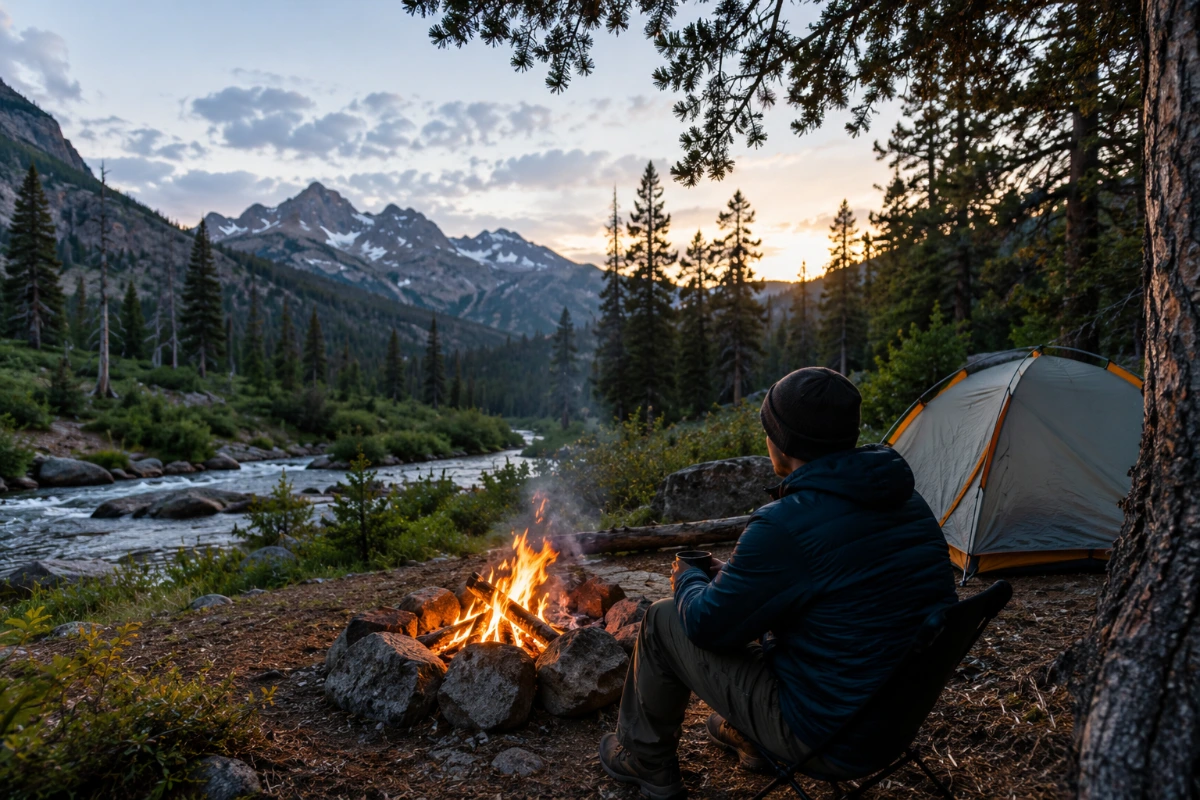
Where you set up camp matters for safety, not just comfort. A few general principles:
- Avoid low-lying areas prone to flooding, particularly near streams or in drainage paths, where conditions can change quickly with rain upstream.
- Keep a safe distance from open flames if you’re using a campfire (and if campfires are permitted), and be aware of dry conditions that increase fire risk.
- Look up before you camp — dead or damaged trees overhead (sometimes informally called “widowmakers”) pose a real, if uncommon, risk of falling branches or limbs, especially in windy conditions. This is a general caution worth a quick visual check, not a technical forestry assessment.
Beyond these general principles, campsite regulations and recommendations vary by location — some areas designate specific campsites, while others allow more flexibility. Check what applies to your specific destination.
Wildlife and Food Safety at Camp
Food storage and wildlife safety are covered in more detail in the food and meal planning guide — the short version is that properly stored food protects both you and local wildlife, and specific requirements vary by region, so this is worth confirming for your destination in advance.
Read More → Backpacking Food & Meal Planning: How Much to Bring and What to Choose
Weather Awareness Across Multiple Days
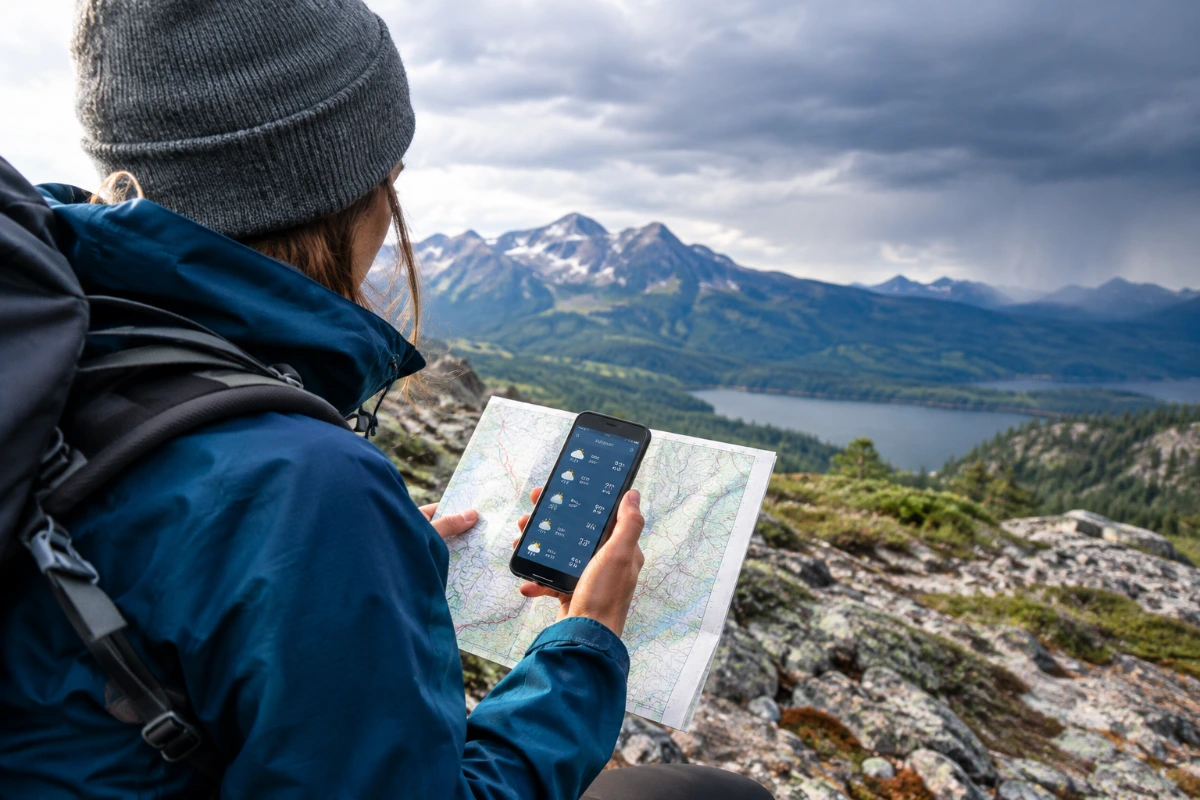
Day-hike weather planning generally covers a single day. Backpacking requires monitoring a forecast across your entire trip length, which is inherently less predictable the further out it extends.
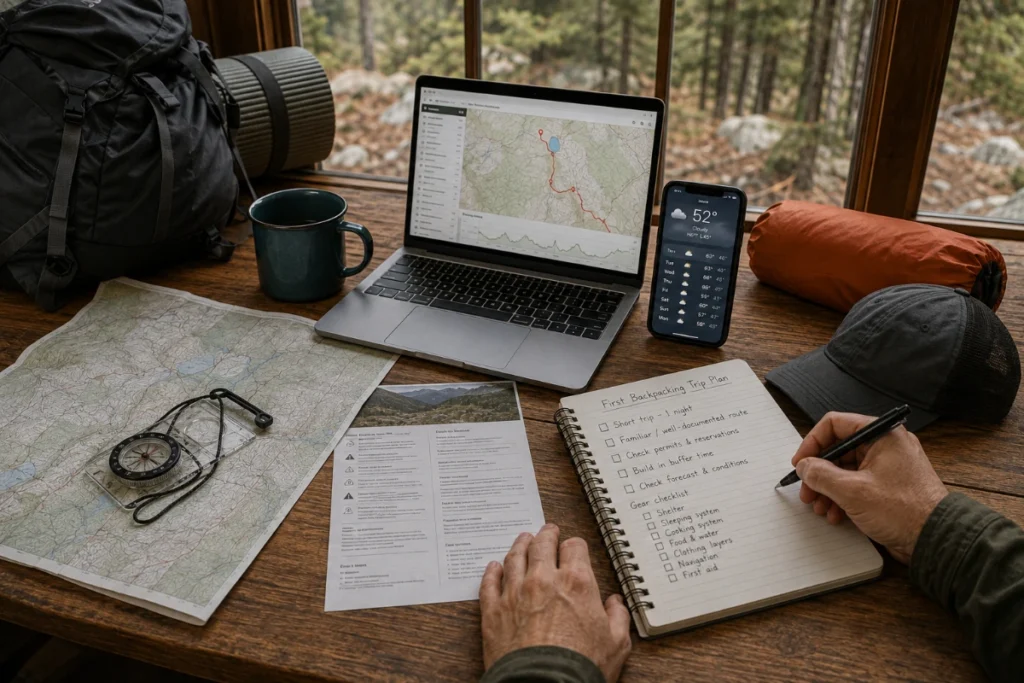
It’s worth having a rough contingency plan if weather turns genuinely poor partway through a trip — this is more complicated than a day hike’s “just turn back,” since you may be a full day or more from your starting point. Knowing your route’s exit options in advance, not just the planned itinerary, gives you real options if conditions change.
Read More → Multi-Day Trip Planning Checklist: From Permits to Packing
Emergency Communication and Preparedness
Many backpacking routes have limited or no cell signal for significant stretches, which is a meaningful difference from most day hikes closer to trailheads and towns. A few things worth considering:
- Satellite communication devices can be worth considering for routes with extended no-signal stretches, particularly for solo trips or remote areas.
- Sharing your detailed plan with someone not on the trip — covered in the trip planning checklist — becomes even more important here, since it may be the only way anyone knows where to look if you don’t check in as expected.
This guide doesn’t recommend specific communication devices or services, since features, coverage, and pricing vary and change over time — it’s worth researching current options directly if this is relevant to your planned routes.
Read More → Backpacking for Beginners: How to Plan and Prepare for Your First Multi-Day Trip
Group vs. Solo Backpacking
The trade-offs here mirror solo versus group hiking, but the stakes are generally higher overnight: A group can provide additional help and shared awareness when something goes wrong, while solo backpacking requires greater self-reliance for a longer period farther from help. If you do backpack solo, being more conservative with route choice, weather margins, and communication planning matters even more than it does for solo day hiking.
Frequently Asked Questions
What’s the biggest safety difference between backpacking and day hiking?
The combination of being farther from help for longer, facing colder overnight conditions than daytime temperatures suggest, and often having limited communication options means decisions need to be more conservative than on a typical day hike.
Do I need a special emergency communication device for backpacking?
It depends on your route. For trips with reliable cell coverage throughout, it may not be necessary. For remote routes with extended no-signal stretches, a satellite communication device is worth researching, particularly for solo trips.
How do I choose a safe campsite?
Avoid low-lying, flood-prone areas and spots near dead or damaged trees overhead. Also check whether your destination has designated campsites or specific regulations you need to follow.
What should I do if the weather gets worse during a backpacking trip?
If conditions become unsafe, prioritize getting to an appropriate shelter or safer location and follow the contingency plan you made before the trip. Knowing your exit options, monitoring conditions, and avoiding unnecessary exposure can help you make a safer decision before conditions deteriorate further.
Is solo backpacking safe for beginners?
Solo backpacking requires more self-reliance because you may need to manage navigation, emergencies, and changing conditions without immediate help from a partner. Beginners may benefit from starting with a short, well-documented route and conservative conditions before attempting more remote solo trips.
Backpacking Safety Builds on What You Already Know
None of this replaces the hiking safety fundamentals — it adds to them. The core shift is recognizing that overnight conditions, distance from help, and multi-day weather all raise the stakes of the same decisions you’re already used to making on day hikes, which is exactly why a bit more conservatism and a bit more planning go a long way.
OutdoorCompass
Explore More. Pack Smarter.