
OutdoorCompass.net – A good night’s sleep can make or break a camping trip, and it usually comes down to two things people mix up constantly: the temperature rating of your sleeping bag and the R-value of whatever you’re sleeping on. This guide explains both in plain language, then compares a few widely available Coleman sleeping bags. A comfortable night’s sleep starts with the right gear. If you’re preparing for your first trip, check out our guide on What to Bring Camping to learn about other essentials to pack.
Affiliate Disclosure: This article contains affiliate links. As an Amazon Associate, OutdoorCompass earns from qualifying purchases. If you purchase through one of our links, we may earn a small commission at no additional cost to you. This helps support OutdoorCompass and our continued outdoor content.
Quick Picks
- Best Overall: Coleman Brazos Cold-Weather Sleeping Bag
- Best for Cold Weather: Coleman North Rim Cold-Weather Sleeping Bag
- Best for Mild-Weather Camping: Coleman Sun Ridge Sleeping Bag
- Best for Cooler Nights: Coleman Kompact 20°F Sleeping Bag
- Best for Couples: Coleman Tandem 3-in-1 Double Sleeping Bag
Comparing These Sleeping Bags
| Feature | Brazos | North Rim | Sun Ridge | Kompact 20°F | Tandem 3-in-1 |
|---|---|---|---|---|---|
| Occupancy | 1 person | 1 person | Listed as 2 person | 1 person | 2 person |
| Temperature rating | about 20 listed | about 0°F listed | about 41°F listed | about 20°F listed | about 45°F listed |
| Shape | Not listed | Mummy | Rectangular | Rectangular | Rectangular |
| Fill (per listing) | Cotton | Polyester | Cotton | Unconfirmed | Polyester |
| Weight | 5.3 lb | 6.32 lb | 4.4 lb | 5.09 lb | 9.5 lb |
| Max user height | 71 in | 74 in | 60 in | 60 in | 76 in |
| Warranty | 5-year limited | 5-year limited | 5-year limited | 5-year limited | 5-year limited |
| Price | $58.99 | $94.49 | $53.99 | $83.99 | $119.99 |
Note: Specifications are based on the available listings and require confirmation against the exact product version. Temperature ratings may not be directly comparable across products.
Our Top Camping Sleeping Bag Picks
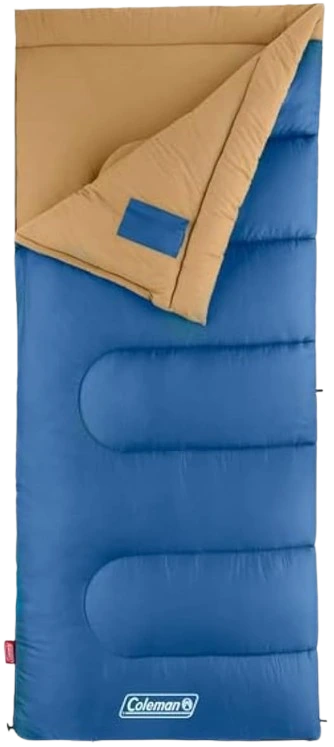
Coleman Brazos Cold-Weather Sleeping Bag
- Price: $58.99
- Item Weight: 5.3 lb
- Capacity: 1 person
- Best For: Overall car camping in cool conditions
A one-person bag with a 20°F rating per its product highlight, a no-snag zipper, a stuff sack, and a machine-washable design. It’s listed for users up to about 5.92 ft tall.
Key Features
- Listed rating about 20°F
- No-snag zipper
- Machine washable
- Includes stuff sack
- 5-year limited warranty
Pros
- Suitable for spring and fall camping
- Machine washable
- Fits most adults
Cons
- Too heavy for backpacking
- Temperature rating needs clarification
- Shape not specified
Why We Recommend It
The Coleman Brazos is worth considering for casual campers who want a simple sleeping bag for car camping and weekend trips. Its machine-washable design makes routine cleaning easier, while its listed temperature range may suit some spring and fall conditions. However, check the manufacturer’s exact temperature rating before relying on it in colder weather, as the available listing does not clearly identify the comfort rating. At 5.3 lb, it is also better suited to car camping than backpacking. Overall, it is a practical option for campers who prioritize convenience over lightweight portability.
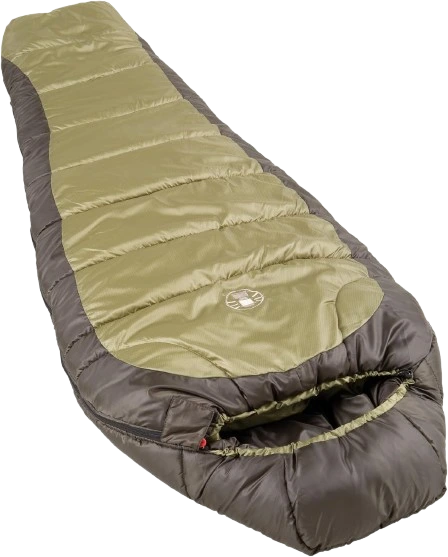
Coleman North Rim Cold-Weather Sleeping Bag
- Price: $94.49
- Item Weight: 6.32 lb
- Capacity: 1 person
- Best For: Cold-weather camping
A large, mummy-shaped bag with a listed rating of below −18°C (roughly 0°F), an adjustable hood, a no-snag zipper, and a “big and tall” fit for users up to 74 inches.
Key Features
- Mummy shape with adjustable hood
- Below −18°C rating (per listing)
- Polyester fill and shell
- Big-and-tall fit
- No-snag zipper
Pros
- Best cold-weather rating
- Heat-retaining mummy shape
- Suitable for taller campers
Cons
- Heaviest single-person bag
- Restrictive fit
- Too warm for mild weather
Why We Recommend It
The Coleman North Rim is designed for campers who need a sleeping bag for colder conditions. Its mummy shape and hood are intended to help retain warmth, making it an option for those who prioritize insulation over freedom of movement. The listed temperature rating is approximately 0°F, but verify the rating standard before relying on it in freezing conditions. At 6.32 lb, it is relatively heavy for backpacking, and its fitted shape may feel restrictive to some sleepers. It is best considered for cold-weather camping when paired with an appropriately insulated sleeping pad.
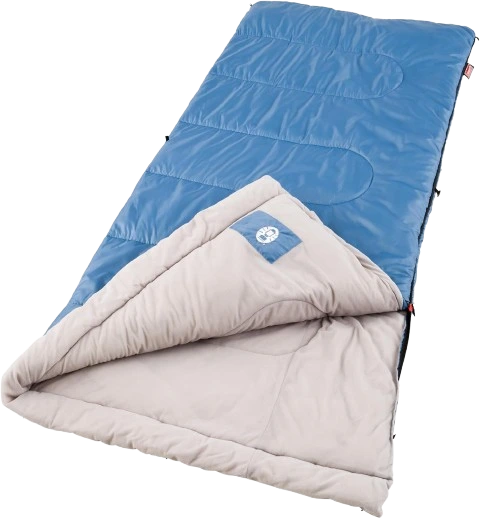
3. Coleman Sun Ridge Sleeping Bag
- Price: $53.99
- Item Weight: 4.4 lb
- Capacity: Listed as 2 person
- Best For: Casual camping in mild weather
A rectangular bag with a soft trim and draft tube, rated for below 5°C (about 41°F) per its listing, and the lightest bag in this comparison.
Key Features
- Rectangular shape for a roomier sleeping area
- Soft trim and draft tube
- Listed temperature rating below 5°C (about 41°F)
- 5-year limited warranty
Pros
- Lightest option in this comparison, according to the available product information
- Roomy rectangular shape allows more freedom to move
- Suitable for mild-weather camping
Cons
- Not suitable for cold-weather camping
- Listing details need verification
Why We Recommend It
The Coleman Sun Ridge is worth considering for casual camping in mild conditions. Its rectangular shape provides more room to move than a typical mummy bag, which may appeal to sleepers who prefer a less restrictive design. The available listing indicates a rating of approximately 40°F, making it more appropriate for cool nights than severe cold. However, verify the exact model’s temperature rating, occupancy, and dimensions because some listing details appear inconsistent. Overall, it may suit occasional campers looking for a straightforward sleeping bag for mild-weather trips.
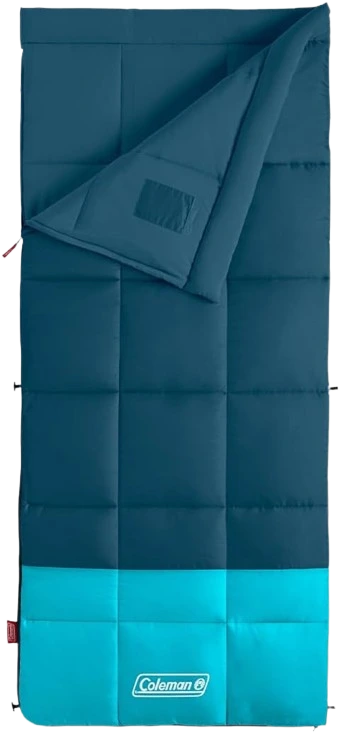
4. Coleman Kompact 20°F Sleeping Bag
- Price: $83.99
- Item Weight: 5.09 lb
- Capacity: 1 person
- Best For: Best for Cooler Nights
A rectangular bag rated to 20°F per its name and highlight, with a Thermolock draft tube, a compressible stuff sack, and a snag-free zipper.
Key Features
- Listed 20°F temperature rating
- Thermolock draft tube to help limit heat loss around the zipper
- Compressible stuff sack included
- Snag-free zipper
- Rectangular shape for a roomier sleeping area
- Coletherm™ Max synthetic insulation
Pros
- Highest customer rating
- Draft tube blocks cold air
- Includes a stuff sack
- Roomy rectangular design
Cons
- Limited height capacity
- Temperature rating not suit all conditions
- heavy for weight-conscious backpacking
Why We Recommend It
The Coleman Kompact 20°F is worth considering if you prefer a rectangular sleeping bag with synthetic insulation. Its Coletherm™ Max fill and roomy shape may appeal to campers who want an alternative to a traditional mummy bag. The listed 20°F rating makes it worth investigating for cooler conditions, but confirm the rating standard before depending on it in cold weather. Its reported weight of 5.09 lb makes it less suitable for weight-conscious backpacking. Also, verify the manufacturer’s current size specifications to ensure the bag provides enough room for your height.

5. Coleman Tandem 3-in-1 Double Sleeping Bag
- Price: $119.99
- Item Weight: 9.5 lb
- Capacity: 2 person
- Best For: Overall car camping in cool conditions
A rectangular double bag sold as a 3-in-1 design, rated for two people up to 6 ft 4 in, and machine washable.
Key Features
- Double (2-person) design
- about 45°F listed
- Machine washable
- Polyester fill and shell
Pros
- Fits two people
- Accommodates taller campers
- Machine washable
Cons
- Heavy and bulky
- Suitable for mild nights only
- Takes up more storage space
Why We Recommend It
The Coleman Tandem 3-in-1 is worth considering for couples who want to share a sleeping space while car camping. Its two-person design and versatile configuration offer flexibility for casual outdoor trips, while the machine-washable construction simplifies cleaning. However, its approximately 9.5 lb weight makes it bulky for backpacking, and its listed 45°F rating is better suited to mild conditions than cold nights. Verify the exact model’s configuration and temperature rating before purchasing. Overall, it is a practical option for campers who prioritize shared space and convenience over low weight or cold-weather performance.
R-Value Explained
R-value is a measure of insulation, and it applies to your sleeping pad, not your sleeping bag. Its job is to slow heat loss into the ground. That matters because the insulation in a sleeping bag gets compressed under your body, so the bag itself does little to block cold from below.
Higher R-values mean better insulation. As a rough, commonly cited guideline (exact ranges vary by source):
- Around R 1–2: warm-weather camping
- Around R 2–4: three-season camping
- R 4 and above: cold-weather and winter camping
Two things to remember: R-value is a separate number from a bag’s temperature rating, and a great bag on a poorly insulated pad can still leave you cold. Don’t confuse it with the unusual “thermal resistance” figure that appears in one listing above, which we couldn’t verify as an R-value.
Insulation: Down vs. Synthetic
- Down is very warm for its weight and packs small, but it loses most of its insulating ability when wet and generally costs more.
- Synthetic insulation is heavier for the same warmth, but keeps insulating better when damp and typically costs less.
All five bags compared here list non-down fills (polyester or cotton, per their listings), which is common for budget car-camping bags. Since weight matters much less when you’re driving to your site, synthetic fill is a sensible choice for most beginners.
Bag Shape: Mummy vs. Rectangular
- Mummy bags taper toward the feet and often include a hood, which reduces empty space your body has to heat. They’re warmer for their weight, but feel more confining.
- Rectangular bags give you more room to move and are often easier to unzip and use as a blanket. They’re less efficient at holding heat.
For car camping, a rectangular bag is often the more comfortable choice in mild to cool weather, while a mummy shape earns its place in colder conditions.
Choosing the Right Rating for Your Climate
Base your choice on the lowest nighttime temperature you might realistically encounter, not the average. Check the typical overnight lows for your destination and season, then add some margin. If you’re between two ratings, the colder rating is the safer pick.
Frequently Asked Questions
Does a more expensive sleeping bag always mean a warmer one?
Not necessarily. Price often reflects weight, materials, and packability as much as warmth. For car camping, where weight doesn’t matter much, a moderately priced synthetic bag with an appropriate temperature rating can be just as warm as a much pricier one.
What’s the difference between a temperature rating and R-value?
A temperature rating describes a sleeping bag’s warmth, while R-value describes a sleeping pad’s insulation from the ground. You need both to sleep warm.
Do I still need a sleeping pad if I have a good sleeping bag?
Yes. Without a pad, the ground pulls heat away from your body, and the compressed insulation underneath you can’t stop that heat loss effectively. A pad with an R-value appropriate for your conditions makes a bigger difference than most beginners expect.
How do I check whether a listed temperature rating is reliable?
Check whether the listing states a comfort rating or a limit rating and whether it references a standardized test. If a product page gives conflicting numbers or only a range, confirm the rating on the manufacturer’s website before relying on it.
What temperature rating sleeping bag do I need?
Choose a sleeping bag based on the lowest overnight temperature you expect during your trip. For mild summer camping, a bag rated around 35–50°F (2–10°C) may be suitable, while cooler spring and fall conditions may require a bag rated around 20–35°F (-7–2°C). For colder conditions, consider a lower temperature rating and check whether it represents a comfort or limit rating. If you tend to feel cold while sleeping, choosing a warmer bag can provide extra comfort.
What R-value sleeping pad do I need for camping?
The right sleeping pad R-value depends on the ground temperature and the conditions in which you camp. As a general starting point, R-values around 1–2 may suit warm-weather camping, R-values around 2–4 are often suitable for three-season trips, and R-values of 4 or higher provide more insulation for colder conditions. These ranges are approximate, so consider the expected temperatures and your personal comfort. Remember that R-value measures a sleeping pad’s resistance to heat loss, not a sleeping bag’s warmth. In cold weather, combine an appropriately insulated pad with a sleeping bag rated for the expected conditions.
Choosing the Right Rating for Your Climate
Base your choice on the lowest nighttime temperature you might realistically encounter, not the average. Check the typical overnight lows for your destination and season, then add some margin. If you’re between two ratings, the colder rating is the safer pick.
OutdoorCompass
Explore More. Pack Smarter.