
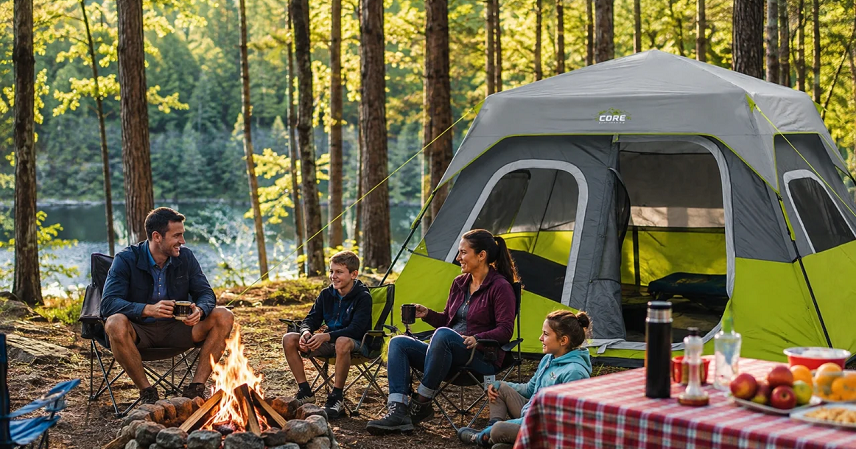
Best Camping Tents for Beginners in 2026
OutdoorCompas.net – Choosing your first camping tent can feel overwhelming. Walk into any outdoor store or browse online, and you’ll find dozens of options with different sizes, materials, weights, and features. For beginners, the challenge is finding a tent that balances comfort, durability, weather protection, and ease of setup without overspending.
A good beginner tent should be simple to pitch, comfortable enough for weekend trips, and versatile enough to handle different camping environments. Whether you’re planning family campground adventures, weekend getaways, or your first outdoor road trip, the right tent can make the difference between an enjoyable experience and a frustrating one. In this guide, we’ll cover some of the best camping tents for beginners in 2026, explain what makes them stand out, compare key features, and help you determine which model best fits your camping style.
Affiliate Disclosure: OutdoorCompass may earn a commission from qualifying purchases made through affiliate links in this article. This comes at no additional cost to you and helps support our content. We only recommend products that appear to offer strong value based on available information and research.
Quick Picks for Camping Tent
- Best Overall : Coleman Sundome Tent
- Best Budget : Amazon Basics Camping Tent
- Best Lightweight : ALPS Mountaineering Lynx 2
- Best for Beginners : Coleman Skydome Tent
- Best for Backpacking : Naturehike Cloud-Up 2
- Best for Families : Core Instant Cabin Tent
- Best for Comfort : Coleman Evanston Screened Tent
- Best for Durability : Kelty Discovery Basecamp Tent
Camping Tent Comparison Table
| Product | Best For | Tent Type | Capacity | Setup Style |
|---|---|---|---|---|
| Coleman Sundome | Overall Value | Dome | 2–6 Person | Traditional |
| Coleman Skydome | Beginners | Dome | Multiple Sizes | Fast Setup |
| Core Instant Cabin | Families | Cabin | 6–10 Person | Instant Setup |
| ALPS Mountaineering Lynx 2 | Lightweight Camping | Dome | 2 Person | Traditional |
| Naturehike Cloud-Up 2 | Backpacking | Backpacking Tent | 2 Person | Traditional |
| Coleman Evanston | Comfort | Dome with Screen Room | 4–8 Person | Traditional |
| Kelty Discovery Basecamp | Durability | Basecamp | Basecamp Multiple Sizes |
Traditional |
| Amazon Basics Camping Tent | Budget Camping | Dome | 4 Person | Traditional |
Detailed Reviews
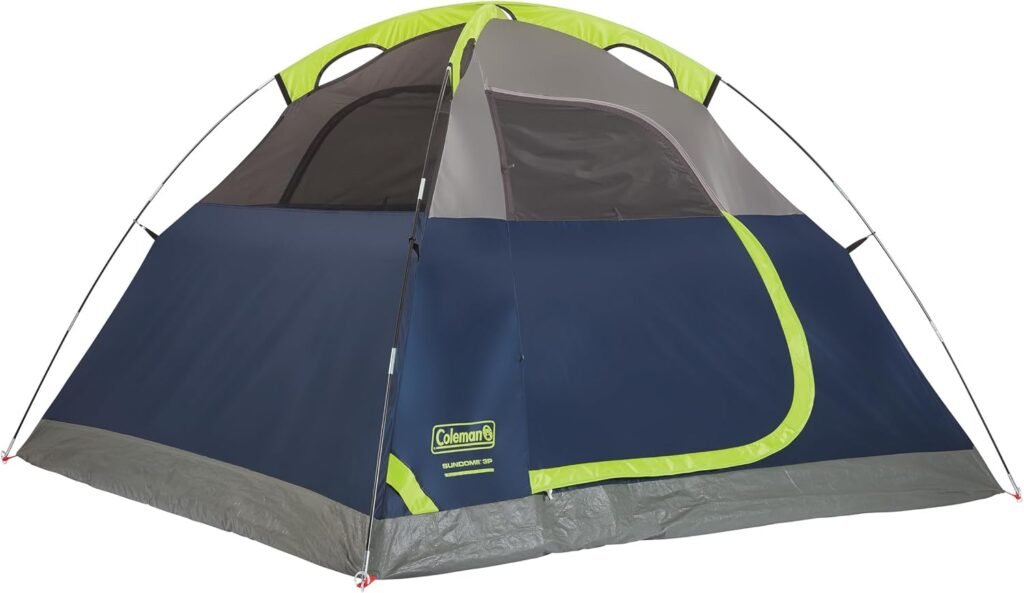
Coleman Sundome Tent
Best For : First-time campers
Weight : 9 pounds
Dimensions : 6.75″L x 6.75″W x 23.81″H
Occupancy : 3 Person
Type : Free Standing
Key Features
- Beginner-friendly setup
- Multiple size options
- Widely available
- Suitable for campground camping
Pros
- Easy learning curve
- Strong value for casual campers
- Available in multiple capacities
Cons
- Not designed for extreme weather
- Limited vestibule storage
- Ventilation varies by model
Why We Recommend It
The Coleman Sundome has been one of the most recognizable entry-level camping tents for years. Its popularity comes from its simplicity. Most beginners can learn the setup process quickly, making it an excellent option for those heading on their first camping trip.
The tent is typically positioned as a budget-friendly choice while still offering practical features for weekend camping. Its straightforward design helps reduce setup frustration, which is often one of the biggest concerns for new campers.
For campground use, fair-weather camping, and occasional outdoor trips, it remains a solid starting point.
Campers purchasing their first tent and looking for a simple, affordable option.
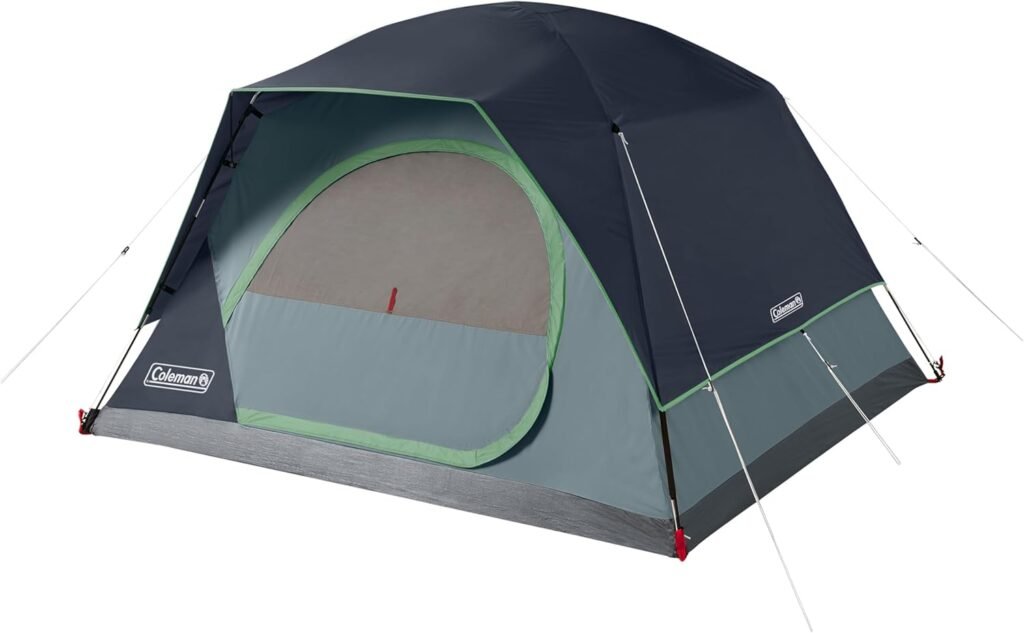
Coleman Skydome Tent
Best For : Beginner-Friendly Setup
Weight : 10.2 pounds
Dimensions : 8 x 7 ft
Occupancy : 4 Person
Type : Free Standing
Key Features
- Fast setup design
- Increased headroom
- Multiple capacity options
- Suitable for car camping
Pros
- Easier setup than many traditional tents
- Comfortable interior space
- Beginner-friendly design
Cons
- Heavier than backpacking tents
- Large packed size
- Primarily designed for car camping
Why We Recommend It
The Coleman Skydome is designed to simplify the setup process. For beginners who may feel intimidated by complicated pole systems, this tent offers a more approachable experience.
Another advantage is the increased interior height. Many new campers underestimate how much comfort headroom adds, especially during multi-day trips.
The Skydome works well for couples, small families, and occasional campers who prioritize convenience over ultralight weight.
New campers who want one of the easiest setup experiences available.
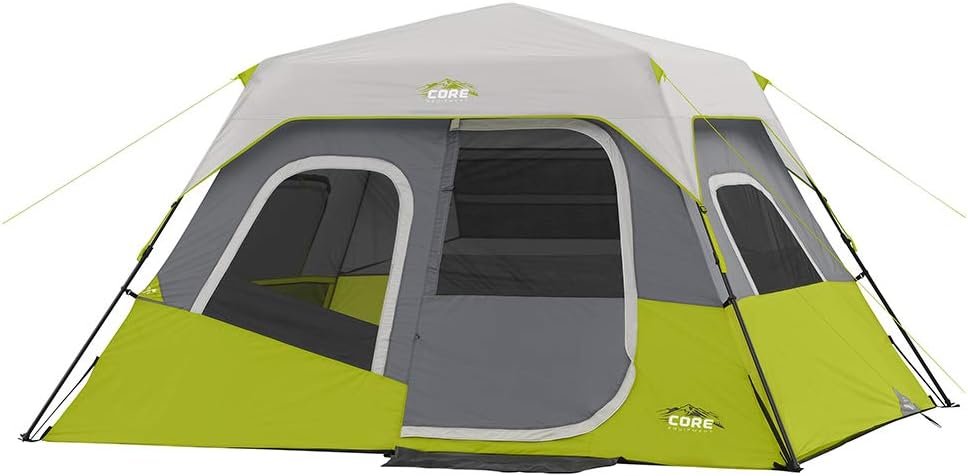
Core Instant Cabin Tent
Best For : Family Camping
Weight : 9 kg
Dimensions : 132″L x 108″W x 72″H
Occupancy : 6 Person
Key Features
- Instant setup system
- Spacious cabin design
- Family-friendly layout
- Tall standing height
Pros
- Very roomy interior
- Fast setup
- Great for family trips
Cons
- Heavy for transport
- Requires larger campsites
- Not suitable for backpacking
Why We Recommend It
Families often prioritize space over weight, and that’s where the Core Instant Cabin excels. The tall interior creates a more comfortable environment for changing clothes, organizing gear, and spending time indoors during bad weather.
Its instant setup design also reduces one of the most stressful parts of family camping. Less time assembling a tent means more time enjoying the trip.
Families, car campers, and groups seeking maximum interior space.
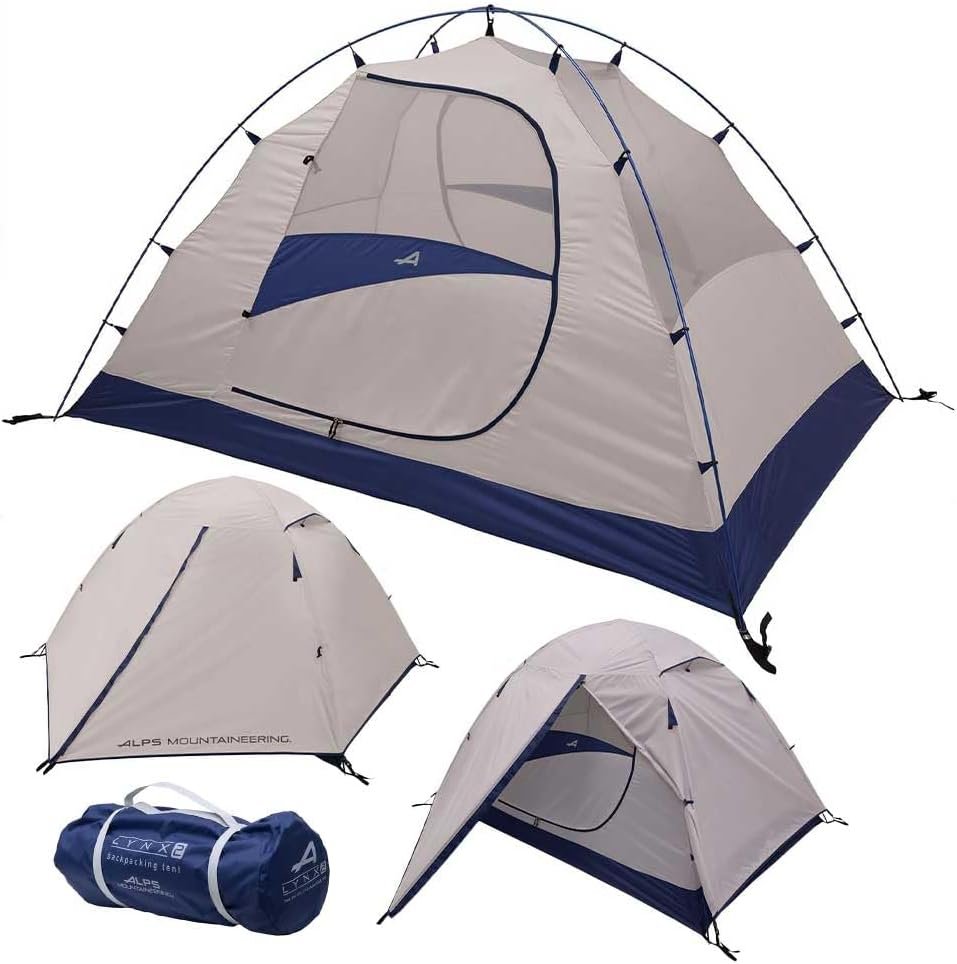
ALPS Mountaineering Lynx 2
Best For : Family Camping
Weight : 9 kg
Dimensions : 132″L x 108″W x 72″H
Occupancy : 6 Person
Key Features
- Lightweight construction
- Freestanding design
- Vestibule storage
- Suitable for weekend adventures
Pros
- Relatively lightweight
- Good storage organization
- Versatile design
Cons
- Less interior space than family tents
- Higher price than basic camping tents
- Capacity best suited to two people
Why We Recommend It
The Lynx 2 bridges the gap between casual camping and more serious outdoor adventures. It offers weight savings without becoming overly specialized.
Its balance of portability, livability, and ease of use makes it appealing for campers who may eventually explore hiking and backpacking.
Campers wanting a lighter shelter without jumping directly into ultralight gear.
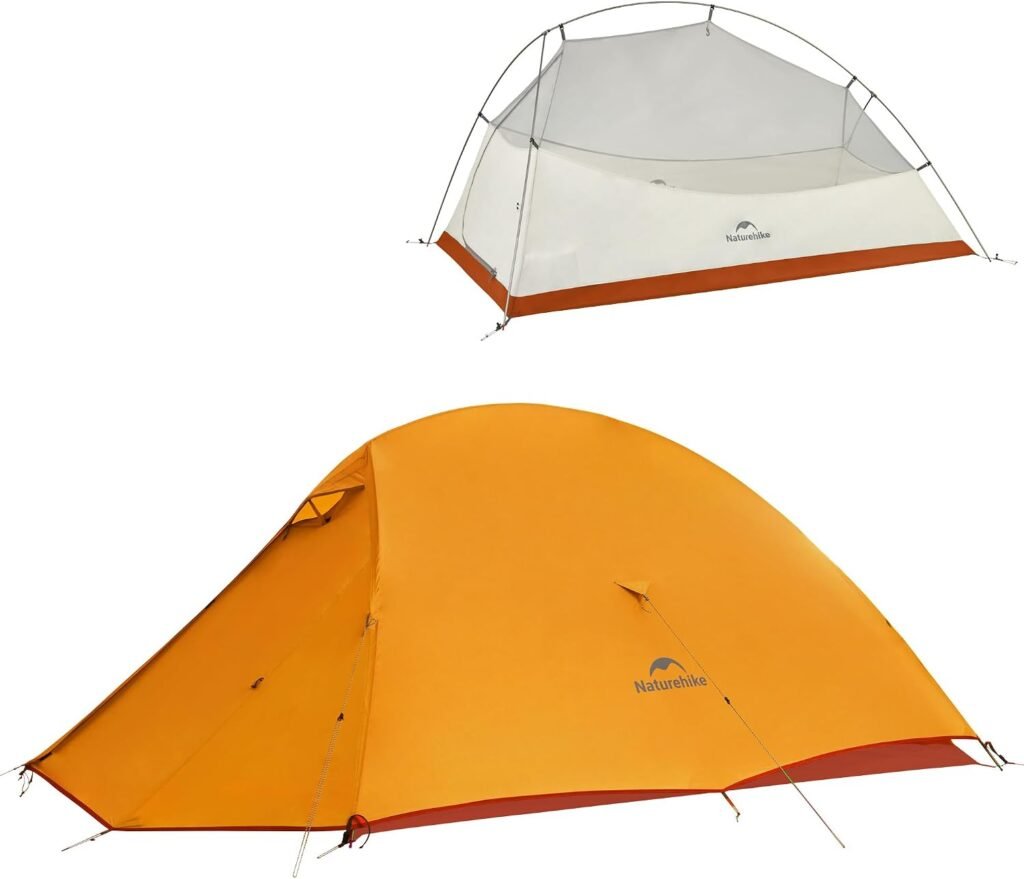
Naturehike Cloud-Up 2
Best For : Backpacking Beginners
Weight : 4.3 pounds
Dimensions : 82.7″L x 51.2″W x 41.3″H
Occupancy : 2 Person
Key Features
- Backpacking-focused design
- Compact packed size
- Lightweight construction
- Travel-friendly
Pros
- Portable
- Compact storage
- Good entry point into backpacking
Cons
- Smaller interior
- Limited space for families
- Requires backpacking-style compromises
Why We Recommend It
Many new campers eventually become interested in backpacking. The Naturehike Cloud-Up 2 offers a pathway into lightweight travel without the premium pricing often associated with ultralight equipment.
Its compact footprint and manageable weight make it easier to carry on trails while remaining approachable for beginners.
First-time backpackers and solo travelers.
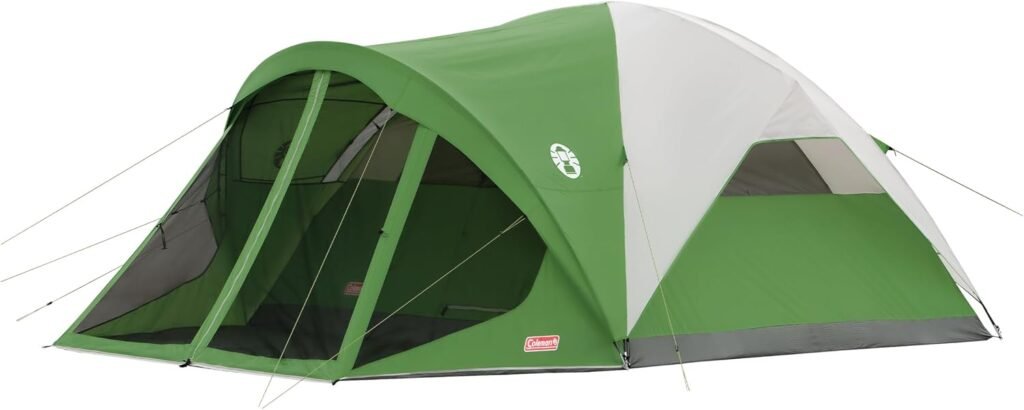
Coleman Evanston Screened Tent
Best For : Comfort and Livability
Weight : 19.2 pounds
Dimensions : 28″L x 10″W x 8.4″H
Occupancy : 6 Person
Key Features
- Screen room
- Expanded living space
- Family-friendly layout
- Good campground comfort
Pros
- Additional bug-free space
- Comfortable for longer stays
- Good organization options
Cons
- Larger footprint
- Heavier design
- More setup complexity
Why We Recommend It
The screened room is the standout feature here. It provides extra usable space where campers can relax, organize gear, or enjoy the outdoors while reducing exposure to insects.
For weekend campground camping, this added comfort can significantly improve the overall experience.
Campers prioritizing comfort over portability.
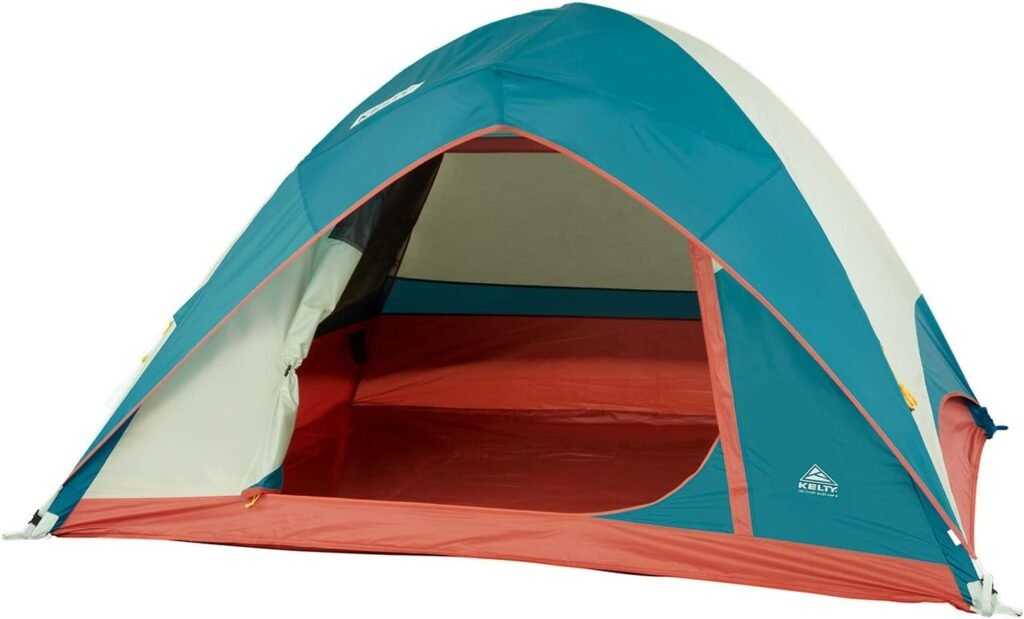
Kelty Discovery Basecamp Tent
Best For : Durability
Weight : 18 pounds
Dimensions : 97″L x 79″W x 58″H
Occupancy : 4 Person
Key Features
- Rugged construction
- Outdoor-focused design
- Multiple size options
- Reliable brand reputation
Pros
- Durable materials
- Designed for repeated use
- Good long-term value
Cons
- Higher cost
- Heavier construction
- Not ideal for ultralight travel
Why We Recommend It
Durability often becomes important after a camper gains experience. A tent that withstands repeated trips may offer better long-term value than a cheaper option that needs replacement sooner.
Kelty’s Discovery series appeals to campers seeking a dependable shelter for frequent outdoor adventures.
Regular campers who want a tent built for years of use.
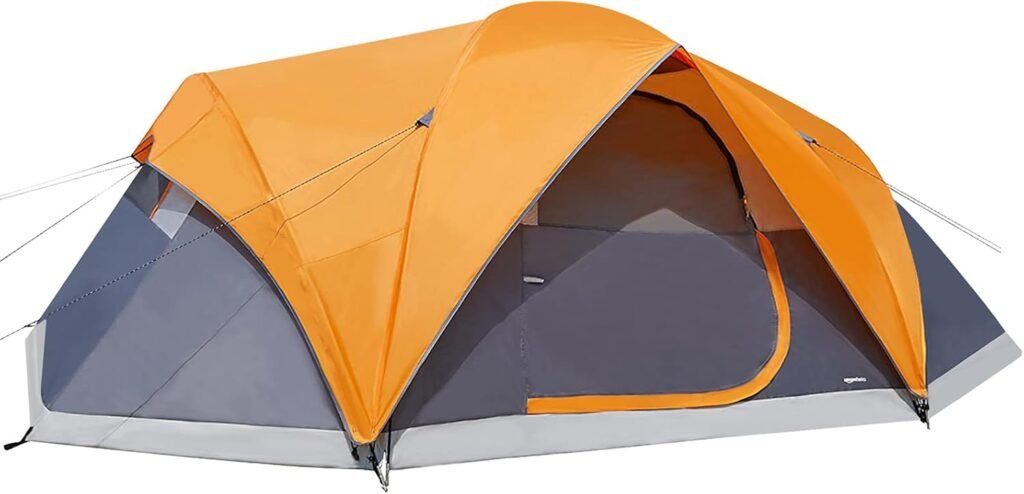
Amazon Basics Camping Tent
Best For : Budget Buyers
Weight : 8.48 kg
Dimensions : 180″L x 108″W x 70″H
Occupancy : 8 Person
Key Features
- Budget-friendly pricing
- Basic camping functionality
- Simple design
- Accessible entry point
Pros
- Affordable
- Beginner-friendly
- Easy to find online
Cons
- Fewer premium features
- Long-term durability may vary
- Limited advanced weather protection
Why We Recommend It
For campers unsure how often they’ll use a tent, spending less initially can make sense. The Amazon Basics Camping Tent offers a low-cost way to get started.
While it may lack some premium features, it can provide enough functionality for occasional campground use.
Casual campers looking for the lowest-cost entry point.
Buying Guide:
How to Choose the Right Camping Tent
FAQs About Camping Tents
What size tent should beginners buy?
Most beginners are happier choosing a tent rated for one or two more people than they plan to sleep. This provides extra room for gear and improves overall comfort.
Are expensive tents worth it?
Not always. Many beginners are better served by a reliable mid-range tent until they gain experience and understand their camping preferences.
What’s the difference between camping tents and backpacking tents?
Camping tents prioritize comfort and space, while backpacking tents prioritize low weight and portability.
How long should a camping tent last?
Lifespan depends on usage frequency, storage habits, maintenance, and environmental conditions. Proper care can significantly extend a tent’s usability.
Are instant tents good for beginners?
Yes. Instant tents can simplify setup and reduce frustration, making them attractive for first-time campers.
Is a 2-person tent really comfortable for two adults?
It depends on the design, but many campers prefer a 3-person tent when sleeping two adults and gear.
What weather can a beginner tent handle?
Most beginner tents are designed for three-season use, including spring, summer, and fall conditions. Always check manufacturer guidance.
Should I buy a tent footprint?
A footprint may help protect the tent floor from abrasion and extend the life of the tent.
Final Verdict
For most new campers, the Coleman Sundome remains one of the safest starting points thanks to its affordability, simplicity, and broad appeal.
If setup speed is your priority, the Coleman Skydome is a strong alternative. Families should look closely at the Core Instant Cabin, while aspiring backpackers may find the Naturehike Cloud-Up 2 a better long-term investment.
Ultimately, the best camping tent for beginners is the one that matches your camping style, expected trip frequency, and comfort expectations. Focus on ease of use, weather protection, and realistic capacity rather than simply choosing the cheapest option.
With the right tent, your first camping experience can be far more enjoyable—and may be the beginning of many outdoor adventures to come.
Pingback: Camping Checklist for Beginners: A Simple Guide for Your First Camping Trip