OutdoorCompass.net – Your first hike does not need to be complicated.
You do not need expensive gear or a large collection of outdoor equipment. For most beginner hikes, the most important thing is bringing the right essentials for the trail, weather, and distance.
Good preparation can make your hike more comfortable and safer. It can also help you enjoy the trail without carrying things you do not need.
This guide covers the most important hiking essentials for beginners and simple tips to help you prepare for your first adventure.
Start with an easy trail
Choose a short trail with a clear path.
Check the weather
Weather can change quickly, especially in mountain areas.
Tell someone your plans
Share your trail, starting time, and expected return time.
Bring enough water
Do not assume there will be safe drinking water on the trail.
Wear comfortable shoes
Avoid using new shoes for a long first hike.
Pack a little extra
Bring basic emergency items even on short hikes.
Stay on the trail
Avoid taking shortcuts or entering closed areas.
Start early
More daylight gives you extra time if the hike takes longer than expected.
Know your limits
Take breaks when you need them.
Leave no trace
Carry your trash out and respect nature.
What to Bring Hiking
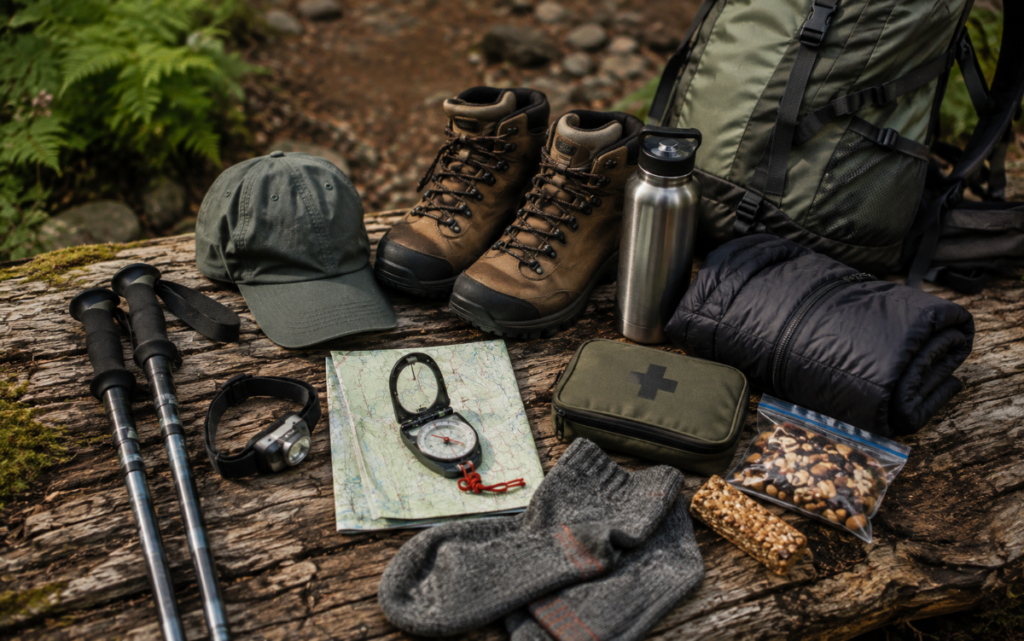
These hiking essentials can help beginners stay comfortable, prepared, and safe on the trail.
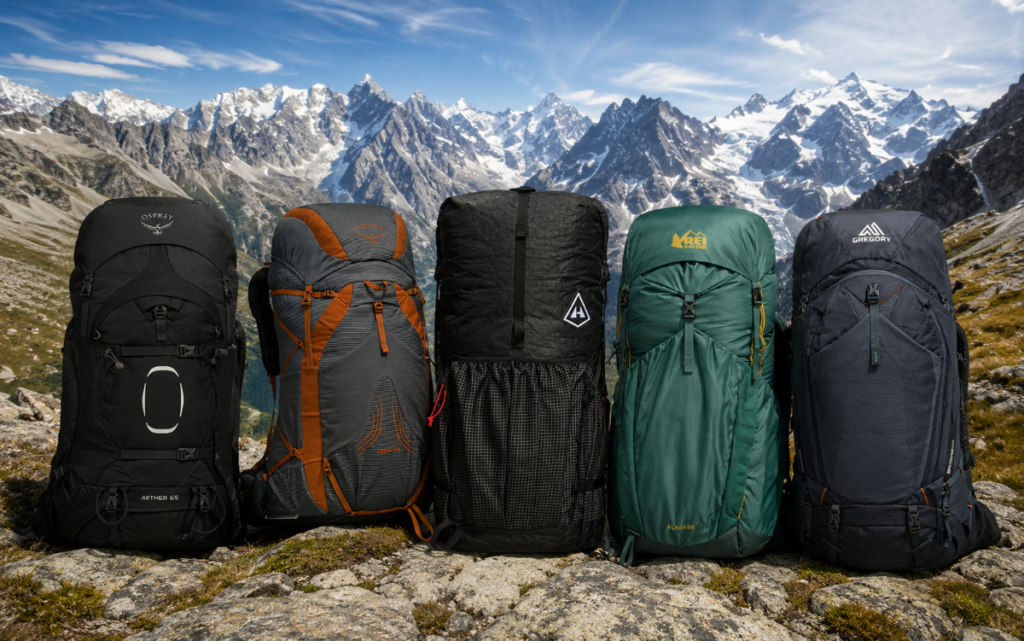
Hiking Backpack — A comfortable backpack is one of the most useful pieces of hiking gear. For a short day hike, you usually do not need a very large pack. Choose one that fits your body well and has enough space for water, food, clothing, and safety items. Look for comfortable shoulder straps and a secure fit.
Water — Water is one of the most important hiking essentials for beginners. Bring enough water for the length and difficulty of your hike. You may need more on hot days or on trails with steep climbs. A reusable water bottle works well. A hydration pack can also make drinking easier while walking.
Food and Snacks — Even a short hike can make you hungry. Pack simple foods that are easy to carry and eat. Good options include energy bars, nuts, dried fruit, sandwiches, or other snacks you already enjoy. For longer hikes, bring enough food for the trip and a little extra in case you are delayed.
Hiking Shoes — Comfortable footwear can make a big difference. For easy trails, regular athletic shoes may work. For rocky, muddy, or uneven trails, hiking shoes or boots can provide better support and protection. Choose footwear that fits well and matches the trail conditions. Do not wait until your first long hike to test a new pair.
Clothing and Extra Layers — Dress for the weather and bring an extra layer when conditions may change. A simple hiking clothing system can include a comfortable base layer, hiking pants or shorts, and a warm layer when needed. Avoid wearing cotton as your only layer in cold or wet conditions because it can stay wet for a long time.
Rain Jacket — A lightweight rain jacket can be useful even when the forecast looks good. Rain can arrive unexpectedly, especially in areas with changing mountain weather. A packable jacket takes little space in your backpack.
Navigation — Do not rely only on your phone. Bring a trail map or download an offline map before leaving. Learn the basic route and know where you are going. For unfamiliar trails, a physical map and compass can provide an extra backup.
Phone — Your phone can be useful for navigation, communication, weather updates, and emergencies. Keep it charged before your hike. Consider carrying a power bank on longer trips. Remember that some hiking areas have little or no cell service.
Headlamp or Flashlight — A headlamp or flashlight is a small item that can become very important. You may finish later than expected because of a slow pace, wrong turn, or unexpected delay. A headlamp also keeps your hands free while walking.
First-Aid Kit — A small first-aid kit can help with minor problems such as blisters, small cuts, and scrapes. A basic kit can include bandages, antiseptic wipes, blister care, and other simple first-aid supplies. For longer or more remote hikes, consider carrying a more complete kit.
Sun Protection — Protect your skin and eyes from the sun. Bring sunscreen, sunglasses, a hat or cap, and lightweight clothing that provides sun coverage. Sun protection is useful even on cloudy days.
Insect Protection — Insects can be a problem on some trails, especially in warm or wooded areas. Depending on the location, you may want to bring insect repellent and wear clothing that provides extra coverage. Check local conditions before your hike.
Emergency Items — A few simple emergency items can make a big difference.
- Emergency blanket
- Whistle
- Extra food
- Extra water
- Power bank
- Small knife or multitool, where appropriate and permitted
- Basic first-aid supplies
- Identification and emergency contact information
You may never need these items, but they can help if something goes wrong.
How to Choose Hiking Essentials
Beginners often make the mistake of buying too much gear. Instead, think about five things before choosing your equipment.
Comfort
Your backpack and shoes should feel comfortable. Poor-fitting gear can turn an easy hike into an unpleasant experience.
Weather
Check the forecast before you leave. Cold, rain, heat, and strong wind can change what you need to carry.
Distance
A short local trail usually requires less equipment than an all-day hike.
Plan your gear around the actual trip.
Weight
Every extra item adds weight to your backpack.
Bring what you need, but avoid packing unnecessary equipment.
Safety
Safety should always come before saving a few ounces.
A small first-aid kit, navigation backup, light, and emergency items can be worth carrying even when you hope you will never need them.
Common Mistakes Beginners Make
Avoid these common mistakes to make your first hiking trips safer, easier, and more enjoyable.
Bringing too much gear
Start with the basics. Pack according to the trail, weather, and distance.
Not bringing enough water
Carry enough water for your planned hike and consider bringing extra for unexpected delays.
Wearing uncomfortable shoes
Test your shoes on shorter walks before using them on a longer trail.
Ignoring the weather
Check the forecast before leaving and bring an extra layer or rain protection when needed.
Starting too late
Start early enough to finish before dark and leave yourself extra time.
Relying only on your phone
Download offline maps and carry another navigation method when appropriate.
Hiking beyond your ability
Choose a trail that matches your current fitness and experience.
Hiking Safety Tips
A few simple precautions can help you stay safe and prepared while enjoying the trail.
Check the Weather
Look at the forecast before leaving. Pay attention to rain, storms, heat, wind, and temperature changes.
If conditions look dangerous, consider changing your plans.
Bring Enough Water
Do not assume that water from a stream is safe to drink.
If you need to use natural water, follow local guidance and use an appropriate water treatment method.
Check Trail Conditions
A trail that is easy in dry weather can become difficult after heavy rain.
Look for current trail information when possible.
Respect Wildlife
Keep a safe distance from animals. Never feed wildlife.
Follow local rules about food storage and wildlife encounters.
Know Your Route
Know where you are starting, where you are going, and how long the hike should take.
Stay on marked trails whenever possible.
Prepare for Emergencies
Tell someone where you are going and when you expect to return.
Carry basic emergency supplies and know how to contact help if something goes wrong.
Simple Hiking Checklist
Use this simple checklist to make sure you have the basic gear and essentials for your hike.
Backpack
Essential items to carry- Comfortable hiking backpack
- Water bottle or hydration pack
- Rain jacket
- Extra clothing layer
- Emergency items
Clothing
Dress for the conditions- Comfortable hiking shoes
- Hiking socks
- Hiking pants or shorts
- Base layer
- Warm layer if needed
- Hat or cap
- Rain protection
Food and Water
Stay hydrated and fueled- Drinking water
- Snacks
- Extra food for longer hikes
- Water treatment supplies if needed
Navigation
Know where you are going- Trail map
- Offline map on phone
- Compass if appropriate
- Phone
- Power bank for longer hikes
Safety
Be prepared for emergencies- First-aid kit
- Headlamp or flashlight
- Emergency blanket
- Whistle
- Emergency contact information
Personal Items
Small things worth remembering- Sunscreen
- Sunglasses
- Insect repellent
- Identification
- Personal medication if needed
- Trash bag
How to Make Your First Hike Easier
A few simple preparations can make your first hiking experience more comfortable, enjoyable, and manageable.
Choose a Short Trail
Your first hike does not need to be a big adventure.
Start with a short trail and learn how your body feels during the hike.
Practice With Your Backpack
Pack your backpack before the trip and walk around with it.
This helps you find uncomfortable straps or unnecessary items before you reach the trail.
Check the Trail Map
Look at the route before you leave.
Pay attention to distance, elevation, trail difficulty, and possible water sources.
Start Slowly
You do not need to walk fast.
Use a comfortable pace that allows you to continue without getting exhausted too quickly.
Take Regular Breaks
Rest when you need to.
Short breaks can help you stay comfortable and enjoy the scenery.
Keep Your First Hike Simple
Avoid combining a difficult trail with difficult weather on your first trip.
Choose conditions that give you a good chance to learn and enjoy hiking.
Tell Someone Your Plans
Share your route and expected return time with a friend or family member.
This is a simple safety step that should not be skipped.
Frequently Asked Questions
What are the most important hiking essentials for beginners?
Water, food, comfortable footwear, suitable clothing, navigation, a phone, basic first aid, and emergency supplies are among the most important essentials.
Do I need hiking boots for my first hike?
Not always. Comfortable athletic shoes may be enough for easy trails. More difficult or rocky trails may require hiking shoes or boots with better protection and support.
How much water should I bring hiking?
It depends on the weather, trail length, intensity, and your personal needs. Plan ahead and bring enough for the trip, with extra water when conditions may be hot or the hike could take longer than expected.
Do I need a hiking backpack?
A backpack is useful because it keeps your hands free and makes it easier to carry water, food, clothing, and safety gear.
Should I bring a first-aid kit on a short hike?
Yes. A small first-aid kit takes little space and can be useful for minor injuries and blisters.
Do I need hiking poles?
Not necessarily. Hiking poles can provide extra stability on steep, uneven, or slippery trails, but beginners do not need them for every hike.
What should I do if I get lost?
Stop and stay calm. Check your map or navigation tool and avoid walking randomly in an unfamiliar area.
If you cannot safely find your route, use your phone or another communication method to seek help when available.
Final Thoughts
Your first hike does not need to be complicated.
Focus on the basics: comfortable shoes, enough water, suitable clothing, navigation, food, and simple safety equipment.
Choose an easy trail, check the weather, and give yourself plenty of time.
With the right preparation, hiking can become a simple and enjoyable way to explore the outdoors.
Explore More. Pack Smarter.