
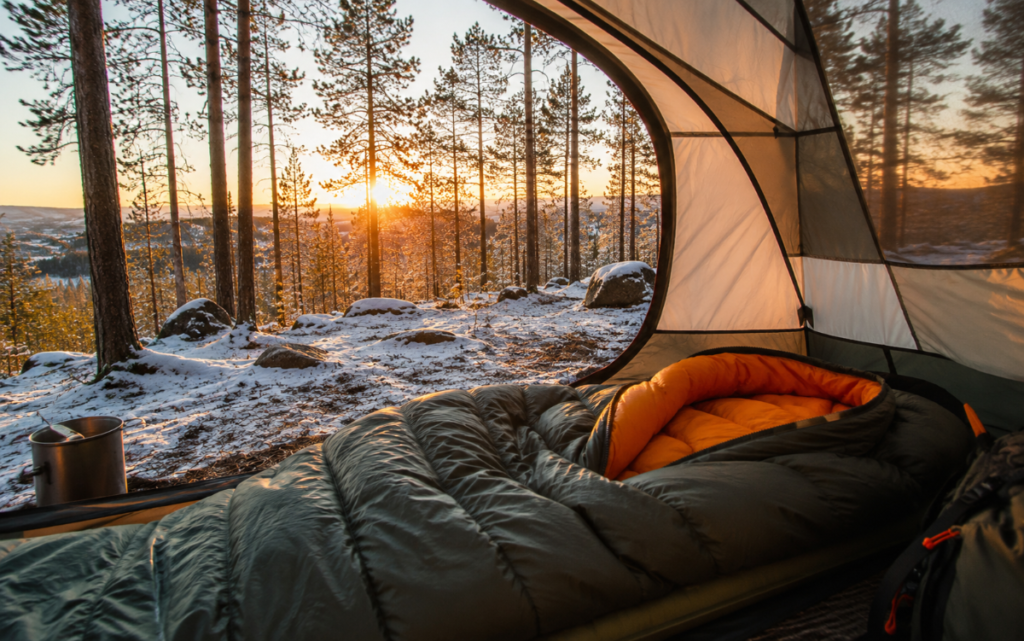
Best Sleeping Bags for Cold Weather
Camping in 2026
OutdoorCompass.net – Cold-weather camping can be one of the most rewarding ways to experience the outdoors, but a cold night inside the wrong sleeping bag can quickly change the experience. Choosing a sleeping bag for low temperatures involves more than simply picking the lowest temperature rating you can afford. Insulation type, fit, weight, sleeping pad, and the conditions you expect all play an important role.
This guide covers some of the best sleeping bags for cold weather camping available in 2026, from practical options for campground campers to lighter bags for backpacking. We’ll compare their intended uses, key features, and potential limitations so you can choose a bag that makes sense for your trips. Because sleeping bag specifications, prices, and availability can change, always verify current information before purchasing.
Affiliate Disclosure: OutdoorCompass may earn a commission from qualifying purchases made through affiliate links in this article. This comes at no additional cost to you. Our goal is to provide useful information first and help readers make informed decisions before clicking a product link.
Quick Picks
- Best Overall: Mountain Hardwear Bishop Pass 0
- Best Budget Synthetic: Mountain Hardwear Lamina 0
- Best for Backpacking: Mountain Hardwear Bishop Pass 15
- Best for Car Camping: TETON Sports Celsius XXL
- Best for Side Sleepers and Comfort: NEMO Disco 15
- Best Lightweight Premium Option: Western Mountaineering Versalite 10
- Best for Extreme Cold: Mountain Hardwear Phantom series
- Best Value for Occasional Cold-Weather Trips: Kelty Cosmic cold-weather
These recommendations are based on available manufacturer information, current product availability, and independent editorial coverage. A sleeping bag’s suitability depends heavily on the actual temperatures and conditions of your trip. Current product details should be checked before publishing or purchasing.
Comparison Table
| PRODUCT | BEST FOR | TEMPERATURE CLASS* | INSULATION | WEIGHT |
| Mountain Hardwear Bishop Pass 0 | Cold-weather backpacking | 0°F | Down | 3.9 pounds |
| Mountain Hardwear Lamina 0 | Budget synthetic warmth | 0°F | Synthetic | 5.1 pounds |
| Mountain Hardwear Bishop Pass 15 | Lighter cold-weather trips | 15°F | Down | 2.34 pounds |
| Therm-a-Rest Questar 0F | Versatile cold camping | 0°F | Down | 3,06 pounds |
| NEMO Disco 15 | Comfort-focused campers | 15°F | Down | 2,69 pounds |
| Western Mountaineering Versalite 10 | Lightweight premium trips | 10°F | Down | 2.32 pounds |
| Mountain Hardwear Phantom series | Serious winter conditions | 15°F to below 0°F, depending on model | Down | 8 pounds |
| Kelty Cosmic cold-weather | Occasional cold-weather camping & backpacking | 20°F / -7°C | 550-fill down | 2.7 pounds |
*Temperature ratings are not guarantees of comfort for every person. Confirm whether a listed rating refers to comfort, limit, or another manufacturer-defined standard before relying on it for a trip.
Mountain Hardwear’s current lineup includes multiple cold-weather bags in the 0°F–15°F range, while specialized models extend into substantially colder categories.
Product Reviews
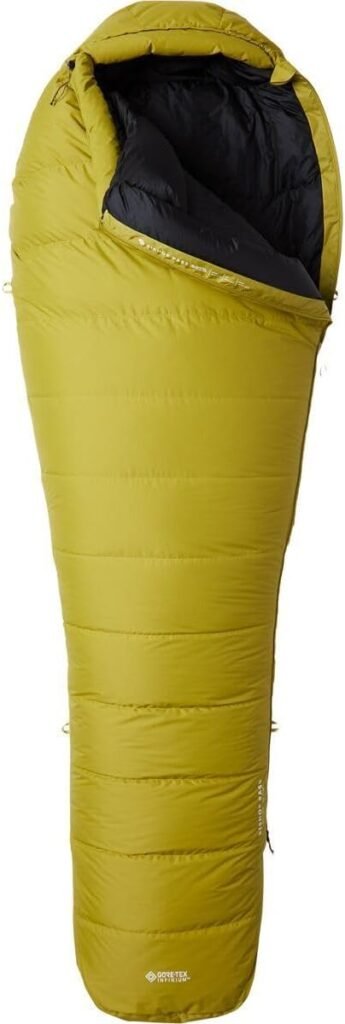
1. Mountain Hardwear Bishop Pass 0
Best For: Cold-weather campers and backpackers who need a true winter-oriented temperature class
Price: $419.99
Weight: 3.9 pounds
Material: [face fabric] 40D 100% recycled nylon, [lining] 20D 10% nylon ripstop, [membrane/laminate] GORE-TEX WINDSTOPPER (2-layer)
| Key Features | Pros | Cons |
|---|---|---|
| – 0°F temperature class – Down insulation – Available in different versions and sizing options – Designed for cold-weather overnight use | – Warmth-oriented design for colder conditions – More portable than many bulky car-camping bags – Suitable for campers who need a lower temperature class | – More expensive than many three-season bags – Down requires appropriate care – May provide more warmth than necessary for mild-weather camping |
| Why We Recommend It The Mountain Hardwear Bishop Pass 0 stands out as a practical option for campers who expect genuinely cold nights and want a bag that can move between campground and backcountry use. A 0°F-class bag provides a larger warmth margin than a typical 20°F or 30°F model, although individual comfort varies significantly. The main advantage of a down-filled bag in this category is the potential balance between warmth, weight, and packability. That makes this type of sleeping bag appealing to backpackers who cannot simply carry a large, heavy rectangular bag. However, it is important not to choose a sleeping bag based on the number printed on the label alone. Your sleeping pad, clothing, shelter, wind exposure, and metabolism can all affect how warm you feel overnight. Best For Campers and backpackers planning trips where nighttime temperatures may approach freezing or fall significantly below it. Check Today’s Price on Amazon → Mountain Hardwear Bishop Pass 0 |
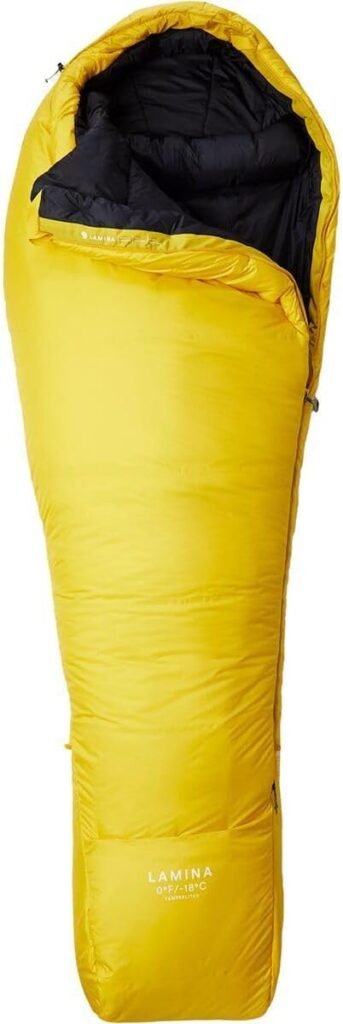
2. Mountain Hardwear Lamina 0
Best For: Campers looking for synthetic insulation for cold-weather trips
Price: V$209.99
Weight: 5.1 pounds
Material: 20D polyester ripstop
| Key Features | Pros | Cons |
|---|---|---|
| – 0°F temperature class – Synthetic insulation – Designed for cold-weather use – Alternative to premium down bags | – Synthetic insulation can appeal to campers concerned about damp conditions – Typically less expensive than premium down alternatives – Warmth-focused design | – Usually bulkier than comparable down bags – Can take up more pack space – Less appealing for ultralight trips |
| Why We Recommend It Not every cold-weather camper needs—or wants—a premium down sleeping bag. The Lamina 0 is worth considering for people who prioritize a synthetic construction and want a bag intended for genuinely cold conditions. Synthetic insulation is often chosen by campers who expect humid or damp environments, although proper moisture management remains important regardless of insulation type. The trade-off is generally greater bulk and weight compared with high-quality down. For car camping, canoe camping, or shorter approaches to camp, that trade-off may be perfectly reasonable. Best For Campers who prioritize synthetic insulation and are less concerned about minimizing packed weight. See Current Price on Amazon → Mountain Hardwear Lamina 0 |
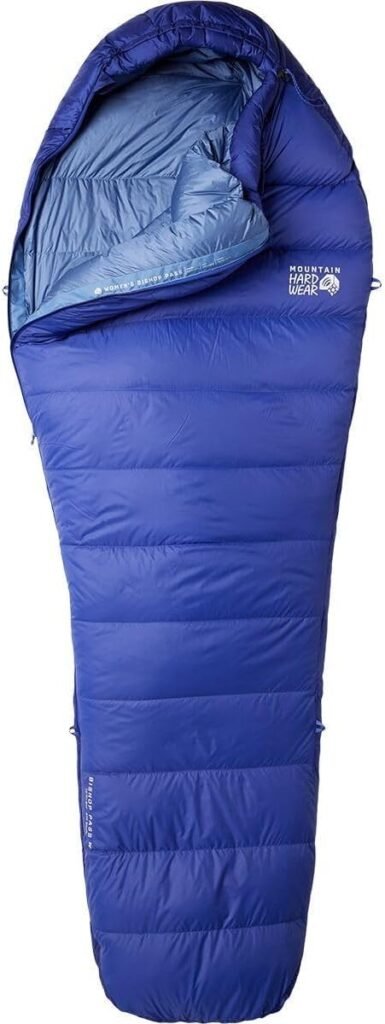
3. Mountain Hardwear Bishop Pass 15
Best For: Backpacking and cold shoulder-season camping
Price: $345.00
Weight: 2.5 pounds
Material: 20D ripstop nylon (100% nylon), DWR finish
| Key Features | Pros | Cons |
|---|---|---|
| – 15°F temperature class – Down insulation – Designed to balance warmth and portability – Suitable for backpacking-oriented use | – Lighter option than many heavier winter bags – More versatile across cool-weather seasons – Easier to pack than many synthetic alternatives | Less warmth reserve than a 0°F bag remium price category May not be appropriate for severe winter conditions |
| Why We Recommend It A 15°F-class sleeping bag can be a smart middle ground for campers who regularly experience cold nights but do not need a dedicated deep-winter bag. The Bishop Pass 15 is particularly relevant to backpackers because carrying unnecessary insulation can add weight and bulk. This category works best when your expected conditions align with the bag’s intended temperature range. If forecasts are uncertain or temperatures could drop substantially lower, choosing additional insulation capacity—or adjusting the rest of your sleep system—may be necessary. Best For Backpackers who want a warmer-than-average bag for cool and cold three-season adventures. Check Availability on Amazon → Mountain Hardwear Bishop Pass 15 |
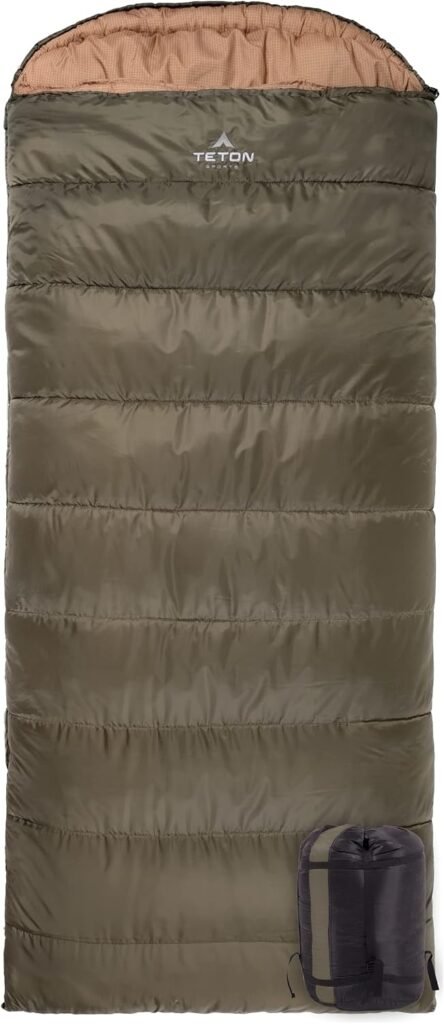
4. TETON Sports Celsius XXL
Best For: Comfortable cold-weather car camping
Price: $99.99
Weight: Verify the exact model and size before publishing
Material: Taffeta, SuperLoft Elite
| Key Features | Pros | Cons |
|---|---|---|
| – Cold-weather-oriented temperature rating, depending on the selected model – Spacious XXL design for extra room and comfort – Rectangular shape that allows greater freedom of movement – Designed primarily for car camping and campground use | – Spacious design compared with traditional mummy sleeping bags – Comfortable option for campers who prioritize room over minimum weight – Suitable for car camping and other trips where packed size is less important | – Bulkier and heavier than most backpacking sleeping bags – Large packed size can make it impractical for long-distance hiking – Temperature rating and specifications vary between Celsius XXL models |
| Why We Recommend It The TETON Sports Celsius XXL is a strong choice for campers who want comfort and space during cold-weather camping. Unlike a narrow mummy bag designed primarily to reduce weight and packed size, its roomy XXL design gives campers more freedom to move and can feel less restrictive when sleeping. That makes it particularly well suited to car camping, where carrying a larger sleeping bag from the parking area to the campsite is usually less of a concern. Campers can prioritize a more spacious sleep setup instead of paying extra for ultralight materials and maximum compression. The Celsius XXL line is also available in different temperature configurations, so it is important to choose the version that matches the expected conditions of your trip. Before purchasing, check the exact model’s current temperature rating and understand how that rating is defined by the manufacturer. Best For Car campers and campground visitors who want a spacious, comfort-focused sleeping bag for cool or cold nights and do not need a lightweight backpacking design. Check Today’s Price on Amazon → TETON Sports Celsius XXL |
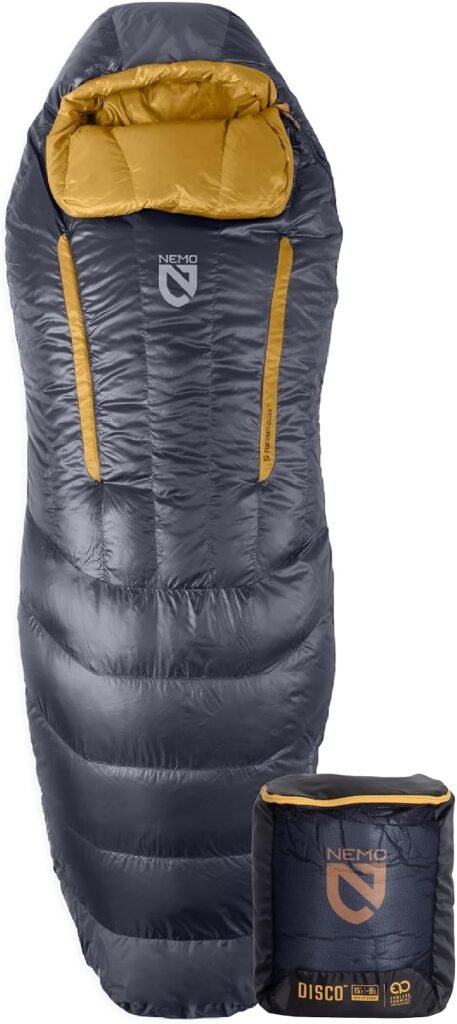
5. NEMO Disco 15
Best For: Comfort-focused campers and side sleepers
Price: $299.95
Weight: Verify current model
Material: Down insulation; verify current specifications
| Key Features | Pros | Cons |
|---|---|---|
| – 15°F temperature class – Roomier comfort-focused shape – Backpacking-friendly design – Designed for sleepers who prefer more movement | – More accommodating shape than a restrictive mummy design – Strong option for comfort-focused campers – Useful balance between warmth and livability | – May weigh more than minimalist alternatives – Not intended as a deep-winter expedition bag – Premium pricing should be expected |
| Why We Recommend It A sleeping bag can have excellent insulation and still be uncomfortable if its shape doesn’t match the way you sleep. The NEMO Disco series has long been associated with a roomier approach to sleeping bag design, making it worth considering for people who dislike a tight mummy bag. That extra space can make a difference for side sleepers and campers who frequently change positions. The trade-off is that a roomier bag may not provide the same weight efficiency as the most streamlined ultralight designs. Best For Side sleepers and campers who prioritize freedom of movement and sleeping comfort. See Current Price on Amazon → NEMO Disco 15 |
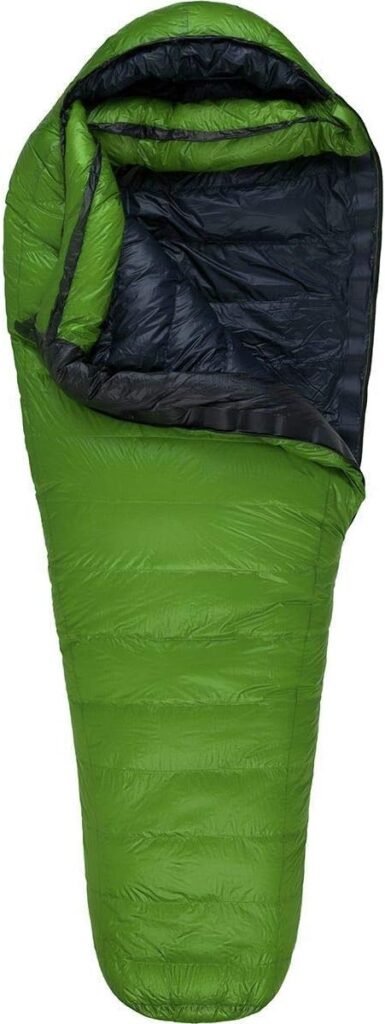
6. Western Mountaineering Versalite 10
Best For: Lightweight premium cold-weather backpacking
Price: $793.00
Weight: 3,25 pounds
Material: goose-down
| Key Features | Pros | Cons |
|---|---|---|
| – 10°F temperature class – Lightweight design – Premium down construction – Built for serious backpacking applications | – Excellent warmth-to-weight potential – Highly packable for its temperature class – Strong choice for weight-conscious hikers | – Premium price – Requires careful care and storage – Not necessary for every casual camper |
| Why We Recommend It For backpackers who count every ounce, the challenge is finding enough warmth without carrying excessive weight. The Versalite 10 belongs to the premium end of the market and is designed for people who place a high value on weight efficiency and packability. It is not the obvious choice for every beginner because the price can be substantial. But for frequent backpackers who understand their needs, investing in a high-quality lightweight sleeping bag can make sense over the long term. Best For Experienced or committed backpackers who want to minimize weight while retaining substantial cold-weather capability. Check Availability on Amazon → Western Mountaineering Versalite 10 |
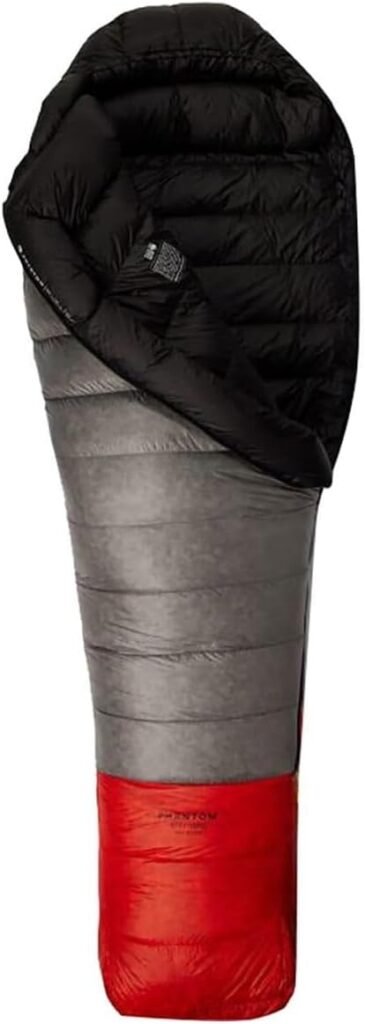
7. Mountain Hardwear Phantom Series
Best For: Serious winter and expedition-oriented conditions
Price: $584.99
Weight: 8 pounds
Material: 10D recycled nylon Ghost ripstop, DWR finish
| Key Features | Pros | Cons |
|---|---|---|
| – Available in multiple cold-weather temperature categories – Expedition-oriented options – Designed for severe environments depending on the model – Premium construction and materials | – Options for extremely cold environments – Specialized warmth-focused designs – Suitable for experienced users with demanding requirements | – Expensive – More insulation means more bulk and weight – Excessive for ordinary campground trips |
| Why We Recommend It For most campers, an expedition-level sleeping bag is unnecessary. But serious winter travel, high-altitude trips, and extremely cold environments require a different level of preparation. Mountain Hardwear’s Phantom range includes products designed for temperatures far below those typically encountered during ordinary three-season camping. These specialized bags should be selected carefully based on the actual conditions of a trip and should be part of a complete cold-weather sleep system. Best For Experienced winter campers and mountaineers preparing for conditions that genuinely require specialized insulation. Check Availability on Amazon → Mountain Hardwear Phantom series |
Buying Guide:
How to Choose a Sleeping Bag for Cold Weather Camping
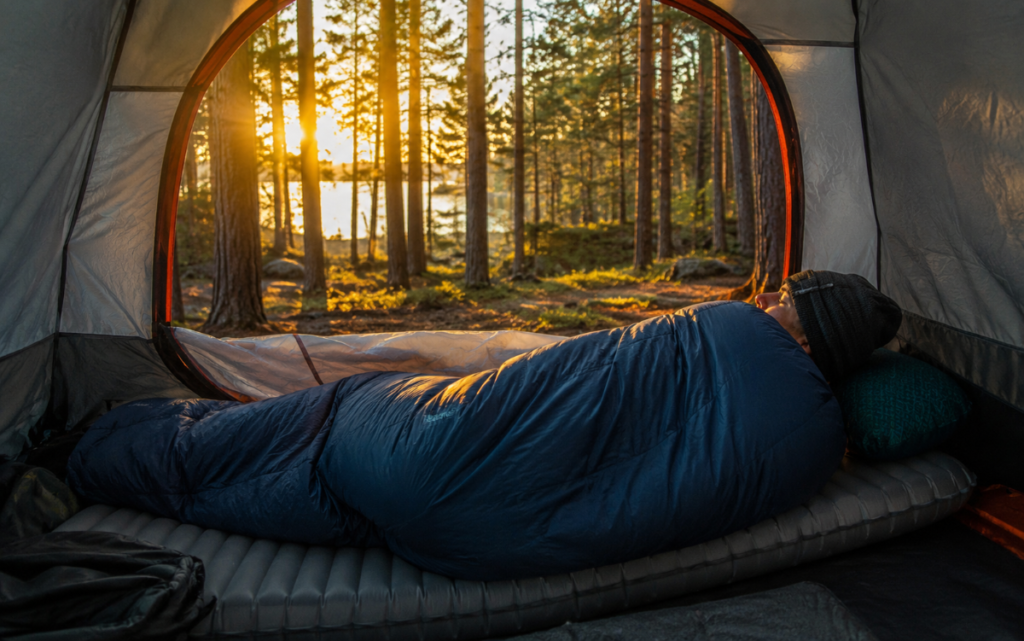
1. Understand Temperature Ratings
Temperature ratings are among the most misunderstood parts of buying a sleeping bag. A rating does not mean every camper will feel comfortable at exactly that temperature.
Some manufacturers use standardized testing, while labels and product pages may distinguish between comfort and lower-limit ratings. Before purchasing, check exactly what the rating means for that model.
If you’re a cold sleeper, it may make sense to choose a warmer bag than the forecast alone suggests.
2. Down vs. Synthetic Insulation
Down
Down insulation is popular because it can offer excellent warmth for its weight and packs down efficiently. This makes it especially attractive for backpacking.
The main disadvantages are price and the need for appropriate care. Moisture management and proper storage are important considerations.
Synthetic
Synthetic insulation is generally more affordable and can appeal to campers who expect damp conditions. However, comparable warmth often comes with greater weight and bulk.
For car camping, the extra packed size may not matter much. For long-distance backpacking, it can be a bigger factor.
3. Weight and Packability
Think about how you will reach your campsite.
If you are driving directly to camp, a few extra pounds may be irrelevant. If you are carrying everything on your back for several miles, weight and packed size become major considerations. Avoid paying for ultralight performance if you don’t actually need it
4. Choose the Right Shape
Common sleeping bag shapes include:
- Mummy: Efficient and warm, with a close-fitting design
- Semi-rectangular: More room to move
- Rectangular: Spacious and comfortable but generally less weight-efficient
Side sleepers and people who move frequently may prefer a roomier design.
5. Your Sleeping Pad Matters
A warm sleeping bag alone does not create a complete cold-weather sleep system. Your body can lose heat to the ground, making the insulation beneath you especially important.
Look at the insulation value of your sleeping pad and consider it alongside your sleeping bag. Independent cold-weather guides consistently emphasize that the sleeping pad is an essential part of staying comfortable overnight.
6. Consider Moisture and Condensation
Cold weather can create condensation inside tents, and moisture management becomes increasingly important on multi-night trips.
Choose gear appropriate for the expected conditions, keep wet clothing away from your sleeping insulation when possible, and follow the manufacturer’s care instructions.
7. Fit and Size
A bag that is too tight can feel uncomfortable. One that is excessively large may have more unused interior space to warm.
Check the manufacturer’s sizing guidance and consider your height, shoulder width, and preferred sleeping position.
8. Price and Long-Term Value
A high-quality cold-weather sleeping bag can be a significant investment. Before spending more, ask:
- How often will I camp in cold weather?
- Will I carry this bag while backpacking?
- Do I need a dedicated winter bag?
- Could a warmer three-season bag meet my needs?
The right answer depends on your actual camping habits.
How OutdoorCompass Evaluates Products
OutdoorCompass aims to provide useful, transparent buying guidance without pretending that every product has been physically tested by our editorial team.
Our evaluations may consider:
- Manufacturer specifications and product documentation
- Intended use and design
- Available customer feedback from reputable retailers
- Independent expert reviews and testing where available
- Insulation type and construction
- Weight and packability
- Comfort and fit considerations
- Durability-related features
- Temperature rating information
- Price and overall value
Product availability, specifications, and pricing can change. We recommend checking the manufacturer’s current information and retailer listing before purchasing.
Frequently Asked Questions
What temperature sleeping bag do I need for cold-weather camping?
It depends on the lowest nighttime temperature you expect, your sleeping habits, and the rest of your sleep system. Many cold-weather campers choose a bag with a rating below their expected low temperature, but you should understand whether the manufacturer’s number represents a comfort rating or another measurement.
Is a 0°F sleeping bag too warm for regular camping?
It can be. A 0°F bag is designed for much colder conditions than a typical summer camping trip. If you primarily camp in mild weather, a warmer-rated bag may be bulky and uncomfortable. Choose your sleeping bag based on the conditions you expect most often.
Are down sleeping bags better than synthetic sleeping bags?
Neither is universally better. Down is often lighter and more compressible for its warmth, while synthetic insulation can be more affordable and may appeal to campers concerned about damp conditions. Your budget, trip style, and expected weather should guide the decision.
Can I use a cold-weather sleeping bag for backpacking?
Yes, but weight and packed size are important. Some cold-weather bags are specifically designed for backpacking, while others are better suited to car camping. Always compare the complete specifications for the exact model and size you are considering.
Why am I still cold in a warm sleeping bag?
Your sleeping bag is only one part of the sleep system. A poorly insulated sleeping pad, wet clothing, inadequate shelter, wind exposure, or choosing a bag that doesn’t match your conditions can all affect comfort.
Should beginners buy a winter sleeping bag?
Only if they realistically plan to camp in winter or consistently cold conditions. Beginners who primarily camp during spring, summer, and fall may get more value from a versatile three-season sleeping bag.
How should I store a sleeping bag?
Follow the manufacturer’s instructions. In general, long-term storage should avoid keeping insulation tightly compressed for extended periods. Proper storage can help maintain the bag’s loft and performance over time.
Final Verdict
The best sleeping bag for cold weather camping depends on where and how you camp. For a strong combination of warmth and versatility, the Mountain Hardwear Bishop Pass 0 is an excellent starting point to consider. Campers who prefer synthetic insulation may find the Mountain Hardwear Lamina 0 more suitable, while weight-conscious backpackers may be better served by a premium option such as the Western Mountaineering Versalite 10.
Comfort-focused sleepers should also look beyond temperature ratings. A roomier design like the NEMO Disco 15 may provide a better night’s sleep for people who move frequently or sleep on their side.
Most importantly, don’t treat a sleeping bag as a standalone solution. Match it with an appropriate sleeping pad, shelter, and clothing system, and choose equipment based on realistic conditions rather than the most extreme temperature you might encounter.
OutdoorCompass
Explore More, Pack Smarter
Pingback: Camping Checklist for Beginners: A Simple Guide for Your First Camping Trip