OutdoorCompass.net – Choosing the best hiking backpack for long-distance treks is about much more than finding the largest pack you can carry. When you’re hiking for several days or weeks, every detail matters: fit, suspension, capacity, ventilation, weight, organization, and how the pack handles a full load.
A backpack that feels comfortable for a short day hike can become uncomfortable after several hours on the trail. On a long-distance trek, a poor fit can lead to sore shoulders, pressure around the hips, hot spots, and unnecessary fatigue.
The right pack should carry your sleeping system, shelter, food, clothing, water, and other essentials without feeling unnecessarily bulky. It should also match your total pack weight and the type of terrain you expect to encounter.
In this guide, we’ve selected some of the best hiking backpacks for long-distance treks in 2026, including comfortable traditional packs, lightweight options, heavy-load haulers, and ultralight choices for experienced hikers.
Affiliate Disclosure: OutdoorCompass may earn a commission from qualifying purchases made through affiliate links in this article at no additional cost to you. Product information, specifications, prices, and availability can change, so verify current details before purchasing.
Quick Picks
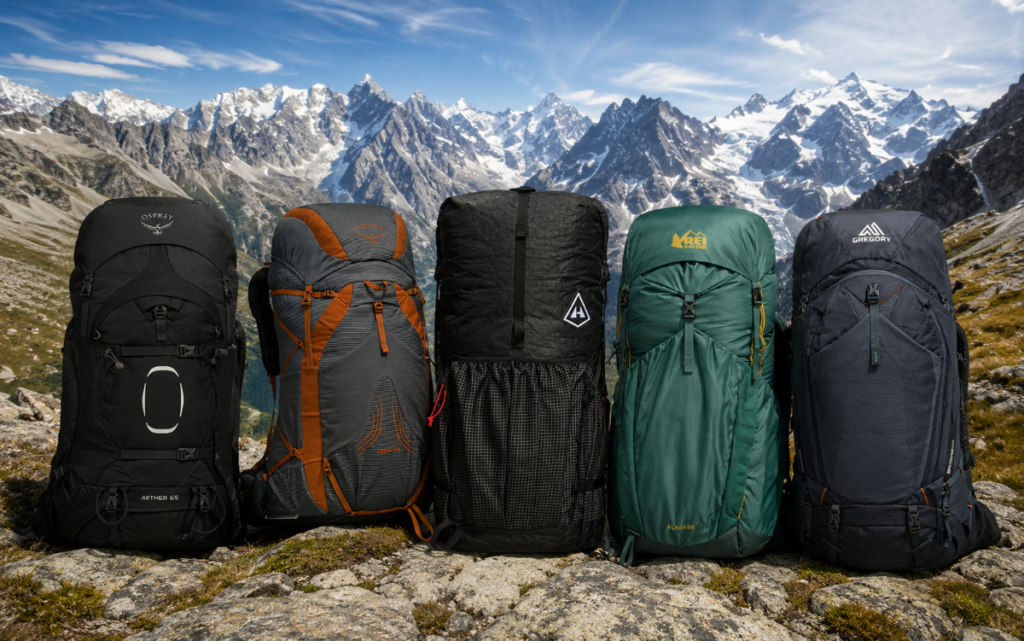
- Best Overall: Osprey Atmos AG LT 65
- Best for Heavy Loads: Gregory Baltoro 65
- Best Value: REI Co-op Flash 55
- Best Ultralight: Hyperlite Mountain Gear Southwest 55
- Best for Thru-Hiking: Osprey Exos 58
- Best for Maximum Load Range: Osprey Aether 65
The best choice depends heavily on your expected pack weight. A heavier traditional backpack can make sense if you’re carrying a large amount of equipment, while a lighter pack becomes more attractive when your complete kit is already optimized.
Hiking Backpack Comparison Table
| Backpack | Best For | Capacity | Weight | Weight Load Range |
| Osprey Atmos AG LT 65 | Overall | 65–68 L | 4.07–4.25 lb | 30–40 lb |
| Gregory Baltoro 65 | Heavy Loads | 65 L | 4.70 lb | Up to 60 lb |
| REI Co-op Flash 55 | Value | 53–57 L | 2.75–2.88 lb | Lightweight loads |
| Hyperlite Mountain Gear Southwest 55 | Ultralight | 55 L | About 1.9 lb | Best around 30–35 lb |
| Osprey Exos 58 | Thru-Hiking | 58–61 L | 2.84–2.94 lb | 30–35 lb |
| Osprey Aether 65 | Heavy Gear | 65–68 L | About 4.9 lb | 30–60 lb |
Specifications vary by size and configuration. Always verify the exact model and size before purchasing.
Our Top Hiking Backpack Picks
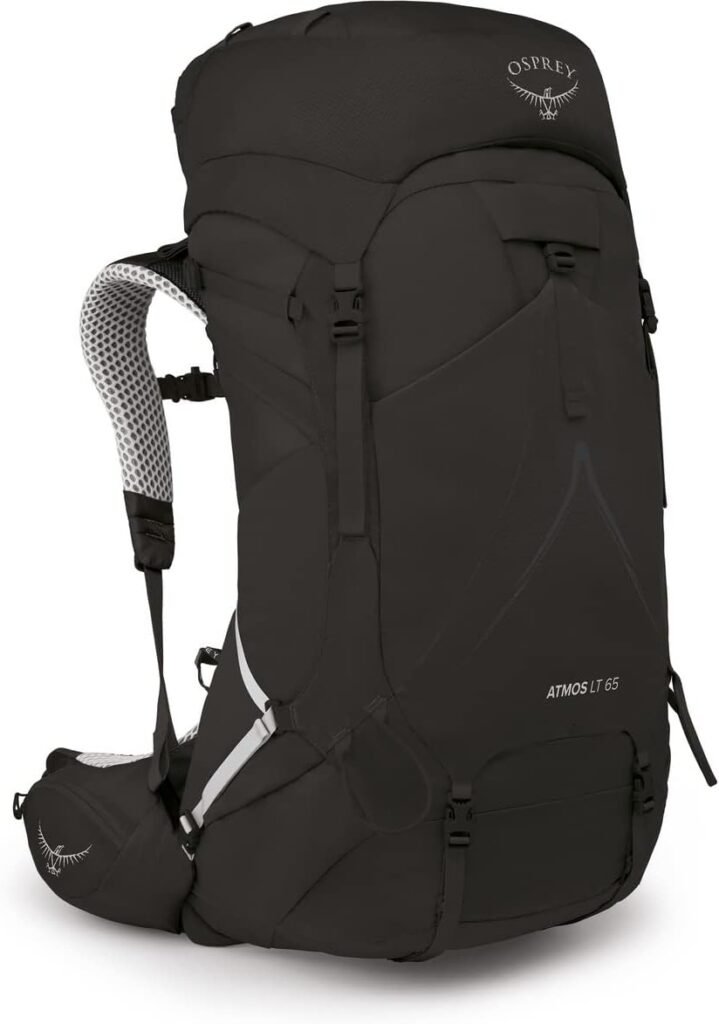
1. Osprey Atmos AG LT 65
Best For: Long-distance hikers who prioritize comfort, ventilation, and a balanced carrying capacity
Price: Around $318
Weight: 4 lb 1 oz / 1.845 kg (S/M); 4 lb 4 oz / approximately 1.93 kg (L/XL)
Material: bluesign® approved recycled 210D nylon main fabric, recycled 210D high-tenacity nylon lining, and recycled 500D high-tenacity nylon bottom with PFAS-free DWR treatment
Capacity: 65L (S/M) or 68L (L/XL)
Recommended Load Range: 30–40 lb / 14–18 kg
| Key Features | Pros | Cons |
|---|---|---|
| – 65–68 liter capacity – AntiGravity suspension – Adjustable torso system – Fit-on-the-Fly hipbelt – Integrated raincover – Recycled nylon construction – 30–40-pound load range | – Excellent balance of comfort and weight – Strong ventilation – Adjustable fit – Good capacity for multi-day trips – Integrated raincover | – Heavier than ultralight packs – More expensive than basic backpacking packs – May be unnecessary for very lightweight gear |
| Why We Recommend It |
|---|
| Long-distance hiking requires a pack that remains comfortable after hours of walking. The Atmos AG LT 65 is particularly attractive for hikers who don’t want to sacrifice suspension and organization simply to save weight. It’s a strong choice for multi-day trips, long-distance routes, and hikers who carry moderate loads. Best for: Hikers who want one versatile pack for multi-day and long-distance adventures. Check Today’s Price on Amazon → Osprey Atmos AG LT 65 |
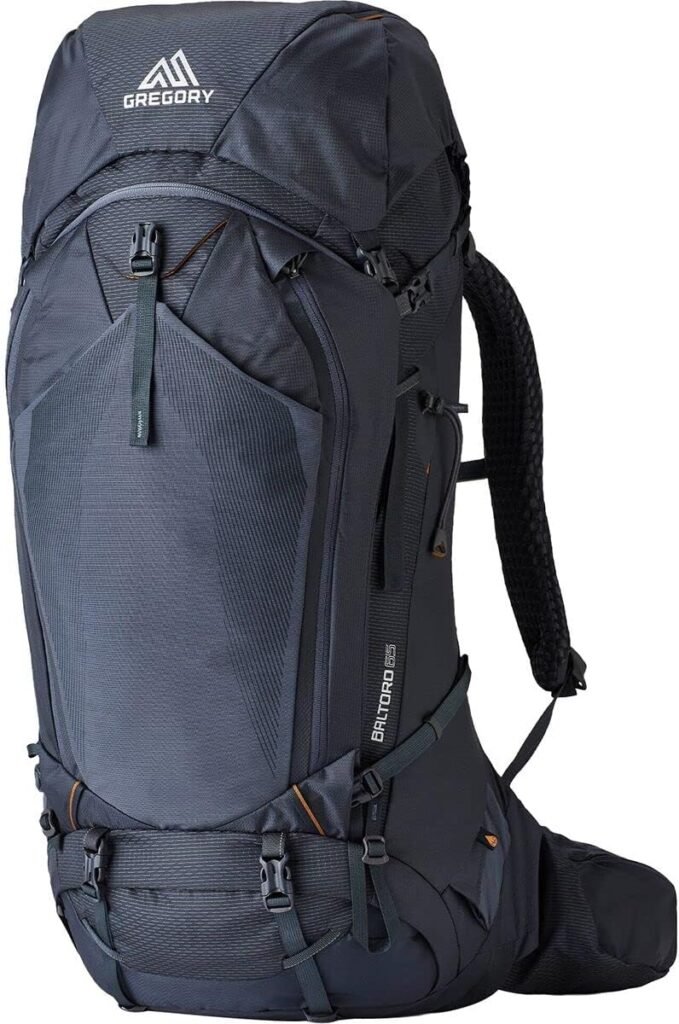
2. Gregory Baltoro 65
Best For: Long-distance hikers carrying heavy loads and bulky gear
Price: Around $369 MSRP; current promotional prices may vary
Weight: 4.70 lb / approximately 2.13 kg
Material: 210D recycled nylon ripstop body, 420D recycled nylon bottom, and recycled polyester lining with PFAS-free DWR treatment
Capacity: 65L
Maximum Carry Weight: Up to 60 lb / 27 kg
| Key Features | Pros | Cons |
|---|---|---|
| – 65-liter capacity – FreeFloat A3 Pro suspension – AirCushion mesh backpanel — Internal frame – Nine external pockets – Bottom sleeping-bag compartment – Hydration compatible – Trekking-pole attachment – 60-pound maximum carry rating | – Excellent heavy-load support – Highly adjustable suspension – Lots of organization – Durable construction – Multiple access points | – Heavy – Bulky compared with ultralight packs – Overkill for lightweight backpackers |
| Why We Recommend It |
|---|
| The Baltoro makes the most sense when your goal is comfortable load carrying, rather than minimizing the weight of the backpack itself. For long-distance hikers who still carry substantial equipment, the extra backpack weight can be justified by the additional suspension and support. Best for: Long-distance hikers carrying heavier-than-average loads. Check Today’s Price on Amazon → Gregory Baltoro 65 |
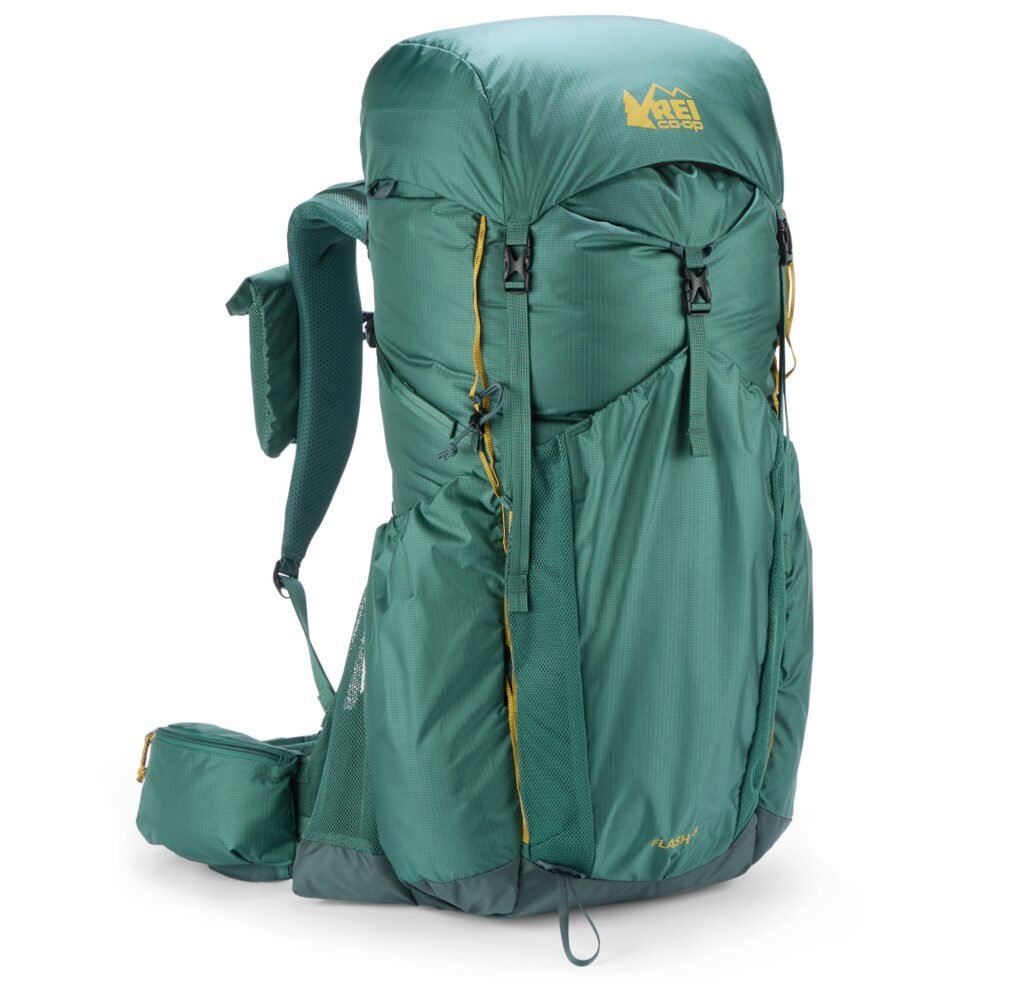
3. REI Co-op Flash 55
Best For: Value-conscious backpackers looking for a lightweight and versatile pack
Rating: 4.2/5 based on 99 reviews at REI (at the time of checking)
Price: Around $229
Weight: Approximately 2 lb 12 oz to 2 lb 14 oz, depending on size
Material: Verify the exact material specifications for the selected model before publishing
Capacity: Approximately 53–57L, depending on size
Frame: Internal frame
| Key Features | Pros | Cons |
|---|---|---|
| – 53–57 liter capacity – Adjustable torso – Spring-steel frame – Nine exterior pockets plus main compartment – Removable daypack – Hydration compatible – Recycled ripstop nylon | – Relatively lightweight – Good organization – Adjustable fit – Versatile design – Strong value proposition | – No included raincover – Less suitable for very heavy loads – Lightweight construction requires sensible packing |
| Why We Recommend It The Flash 55 is a good middle ground for hikers who want to reduce pack weight but don’t necessarily need an ultralight specialist pack. Its capacity is suitable for many multi-day trips, particularly when the rest of your gear is reasonably compact. Best for: Backpackers looking for a lighter pack at a more approachable price. Check Today’s Price on REI → REI Co-op Flash 55 |
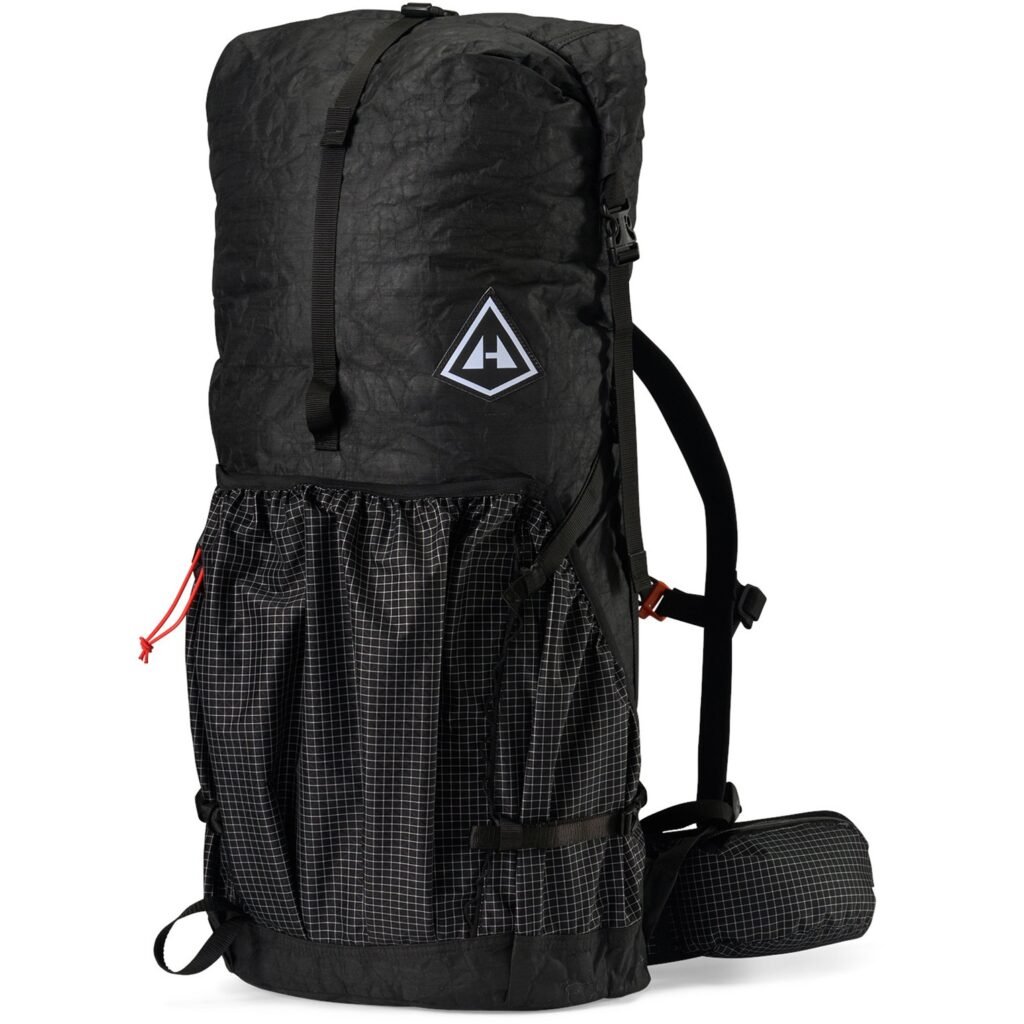
4. Hyperlite Mountain Gear Southwest 55
Best For: Experienced ultralight hikers and long-distance backpackers
Price: Around $420
Weight: Approximately 1.86–2.04 lb, depending on size and configuration
Material: Lightweight technical Dyneema Composite Fabric construction
Capacity: 55L
| Key Features | Pros | Cons |
|---|---|---|
| – 55-liter capacity – Very low pack weight – Dyneema construction – Large main compartment – Exterior storage – Hipbelt pockets – Minimalist design | – Extremely lightweight – Water-resistant fabric – Excellent for ultralight setups – Simple organization – Popular among long-trail hikers | – Expensive – Less comfortable with heavy loads – Requires disciplined packing – Minimalist design may not suit everyone |
| Why We Recommend It If you’re planning a long-distance trek and have already reduced your base weight, the Southwest 55 can make a noticeable difference. The key is to match the backpack to your actual load. Carrying a lightweight pack with 40 or 45 pounds inside defeats much of the purpose. Best for: Experienced hikers with lightweight gear systems. Check Today’s Price → Hyperlite Mountain Gear Southwest 55 |
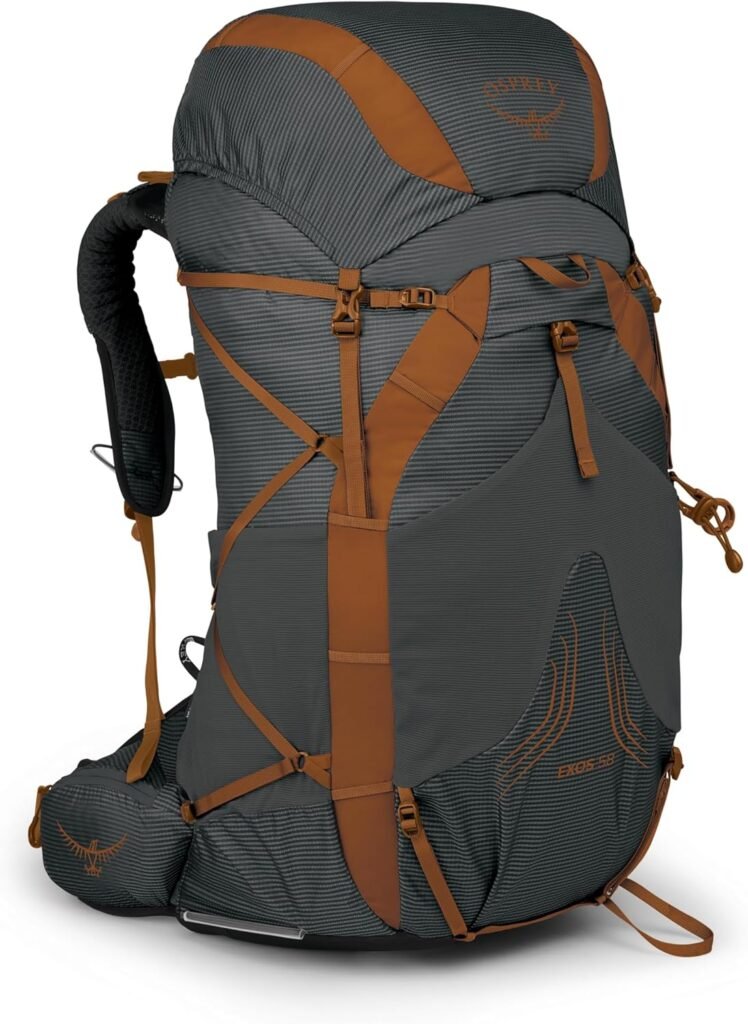
5. Osprey Exos 58
Best For: Thru-hikers and long-distance hikers carrying moderate loads
Price: Around $275
Weight: 2.84 lb / 1.29 kg (S/M) or 2.94 lb / 1.33 kg (L/XL)
Material: bluesign® approved recycled 100D high-tenacity nylon ripstop with PFAS-free DWR treatment
Capacity: 58L (S/M) or 61L (L/XL)
Recommended Load Range: 30–35 lb / 14–16 kg
| Why We Recommend It Long-distance hiking often means walking for many hours each day. Reducing unnecessary weight can make the experience easier, particularly when your gear is already optimized. The Exos 58 is especially interesting for thru-hikers who want a balance between traditional backpack support and ultralight design. Best for: Long-distance hikers with a moderate pack weight. Check Today’s Price on Amazon → Osprey Aether 65 |
6. Osprey Aether 65
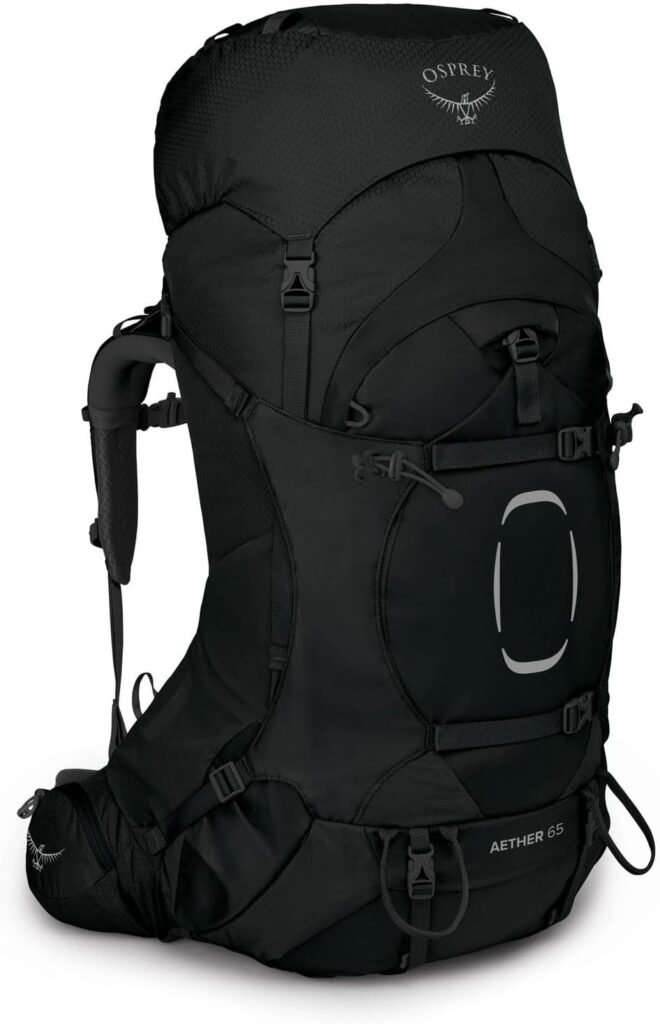
Best For: Hikers carrying variable or heavy loads on extended trips
Price: Around $370
Weight: 4.92 lb / 2.23 kg (S/M) or 4.96 lb / 2.25 kg (L/XL)
Material: bluesign® approved 420HD nylon packcloth with PFAS-free DWR treatment
Capacity: 65L (S/M) or 68L (L/XL)
Recommended Load Range: 30–60 lb / 14–27 kg
| Key Features | Pros | Cons |
|---|---|---|
| 65–68 liter capacity 30–60-pound load range Adjustable torso Internal frame Raincover Large-capacity design Heavy-load-oriented suspension | Wide load range Large capacity Good choice for heavier gear Suitable for extended trips Includes raincover | Heavy More backpack than lightweight hikers need Can encourage overpacking |
| Why We Recommend It A larger backpack can be useful on long trips, but capacity should never be the only reason you choose one. The Aether 65 makes the most sense when your equipment genuinely requires the extra volume and when you value load support over minimum pack weight. Best for: Long-distance hikers carrying bulky or heavier equipment. Check Today’s Price on Amazon → Osprey Aether 65 |
How to Choose the Best Hiking Backpack
for Long-Distance Treks
The best hiking backpack is not necessarily the lightest or largest model.
The right choice depends on your total pack weight, trip duration, gear volume, body measurements, and hiking style.
1. Get the Fit Right
Fit should be your first priority.
A backpack transfers much of its weight through the hipbelt. If the torso length is wrong, the pack may place too much pressure on your shoulders or fail to transfer the load properly to your hips.
Look for:
- Adjustable torso length
- Proper hipbelt sizing
- Comfortable shoulder straps
- Adjustable sternum strap
- Appropriate back length
Whenever possible, try a backpack with the weight you expect to carry.
A pack can feel completely different when loaded with 30 pounds compared with an empty store model.
2. Choose the Right Capacity
Long-distance hikers often consider packs between roughly 50 and 70 liters.
- A 50–55L pack can work well for hikers with compact gear.
- A 55–65L pack provides a versatile balance for many multi-day trips.
- A 65–70L pack makes more sense when carrying bulky equipment, cold-weather gear, or large food loads.
However, bigger isn’t automatically better. An oversized pack can encourage you to bring unnecessary equipment.
3. Consider Your Total Pack Weight
This is one of the most important decisions.
- If your fully loaded backpack weighs around 20–25 pounds, you don’t necessarily need a heavy expedition-style backpack.
- If you’re carrying 35–45 pounds, a stronger suspension system may provide significantly better comfort.
- For very lightweight setups, a pack such as the Hyperlite Southwest 55 or Osprey Exos 58 can make more sense.
- For heavier loads, models such as the Gregory Baltoro 65 or Osprey Aether 65 are more appropriate.
4. Pay Attention to Suspension
The suspension system is what separates a comfortable long-distance pack from an uncomfortable one.
Look for:
- Internal frame
- Supportive hipbelt
- Adjustable torso
- Padded shoulder straps
- Load lifters
- Ventilated backpanel
Suspension is especially important when your total load is above what ultralight packs are designed to carry.
5. Don’t Ignore Ventilation
A backpack sitting against your back for eight hours can create a lot of heat.
Ventilated suspension systems can improve airflow and reduce the feeling of a sweaty back.
The Osprey Atmos AG LT 65 and Exos 58 are particularly notable for their ventilated suspension designs.
However, ventilation usually involves some trade-offs in weight, structure, and pack design.
6. Look at Organization
Long-distance hikers repeatedly access their gear.
You don’t want to unpack the entire backpack just to find:
- Snacks
- Water filter
- Rain jacket
- Map
- Phone
- Headlamp
- First-aid supplies
Useful features include:
- Hipbelt pockets
- Stretch side pockets
- Front mesh pocket
- Separate sleeping-bag compartment
- Side access
- Bottom access
- Top-lid pockets
Choose organization based on how you actually hike.
7. Think About Weather Protection
A backpack doesn’t have to be completely waterproof to be useful in wet conditions.
You can protect your gear using:
- Pack liners
- Dry bags
- Waterproof stuff sacks
- Raincovers
Some packs include raincovers, while others require you to purchase one separately.
For example, Osprey’s Atmos AG LT 65 includes an integrated raincover, while the REI Flash 55 does not.
Even with a raincover, keep critical equipment such as sleeping bags, clothing, electronics, and documents protected inside waterproof storage.
How Much Backpack Capacity Do You Need?
A useful starting point is:
40–50 Liters
Best for:
- Minimalist overnight trips
- Experienced lightweight hikers
- Warm-weather trips
- Compact gear systems
50–60 Liters
Best for:
- Multi-day hiking
- Thru-hiking
- Moderate gear loads
- Most three-season trips
This is the sweet spot for many long-distance hikers.
60–70 Liters
Best for:
- Extended trips
- Cold-weather hiking
- Bulky equipment
- Large food carries
- Less compact gear
Remember that these are general guidelines. Your gear volume matters more than the number of days alone.
Long-Distance Hiking Backpack Features That Matter Most
Not every feature deserves equal attention.
Most Important:
- Fit: A poorly fitted backpack can ruin an otherwise great hike.
- Suspension: The suspension should match your total pack weight.
- Capacity: You need enough room without creating unnecessary temptation to overpack.
- Weight: Once fit and load support are appropriate, reducing backpack weight can improve efficiency.
- Durability: Long-distance hiking puts repeated stress on fabric, seams, zippers, and attachment points.
Nice to Have:
- Integrated raincover
- Removable lid
- Trekking-pole attachment
- Hydration compatibility
- Front stretch pocket
- Multiple access points
Traditional vs. Lightweight vs. Ultralight Backpacks
1. Traditional Backpacks
These usually emphasize:
- Comfort
- Durability
- Organization
- Heavy-load support
They are excellent for hikers carrying substantial equipment.
Examples include the Gregory Baltoro 65 and Osprey Aether 65.
2. Lightweight Backpacks
These attempt to reduce weight while retaining a supportive frame and useful features.
The Osprey Exos 58 and REI Flash 55 fit well into this category.
3. Ultralight Backpacks
These prioritize minimum weight.
They often work best when the rest of your hiking equipment is lightweight.
The Hyperlite Southwest 55 is an example.
The important lesson is simple:
Note: Don’t buy an ultralight backpack before you have an ultralight gear system.
How to Pack a Backpack for a Long-Distance Trek
Once you’ve chosen a pack, packing it correctly can make a major difference.
1. Bottom
Place lightweight equipment that you won’t need during the day.
Examples:
- Sleeping bag
- Sleeping clothes
- Camp clothing
2. Middle
Put heavier equipment close to your back.
Examples:
- Tent
- Cooking equipment
- Food
- Dense gear
Keeping heavy items close to your body’s center of gravity can improve balance.
3. Top
Place items you may need throughout the day.
Examples:
- Rain jacket
- Insulation layer
- Snacks
- Water filter
- First-aid kit
4. Exterior Pockets
Use these for frequently accessed items.
Avoid placing fragile equipment where it can easily fall or become damaged.
Common Mistakes When Buying a Hiking Backpack
1. Buying Based Only on Capacity
A 70-liter pack isn’t automatically better than a 55-liter pack. More capacity can simply lead to more weight.
2. Choosing the Lightest Backpack
An ultralight pack isn’t necessarily comfortable with a heavy load. Always check the manufacturer’s recommended load range.
3. Ignoring Torso Length
Your height does not automatically determine backpack size.Two people of the same height can have different torso lengths.
4. Buying Before Testing the Fit
If possible, visit an outdoor retailer and try the pack with weight inside.
- Walk around.
- Adjust the hipbelt.
- Adjust the shoulder straps.
- Move around as if you’re hiking.
5. Overpacking
The larger your backpack, the easier it is to bring things you don’t need.
Before a long trek, weigh every major piece of equipment and look for unnecessary duplicates.
Frequently Asked Questions
What is the best hiking backpack for long-distance treks?
For most hikers carrying a moderate load, the Osprey Atmos AG LT 65 is an excellent all-around choice because it combines a 65–68L capacity with a 30–40-pound load range and an adjustable AntiGravity suspension system.
What size backpack is best for a long-distance hike?
For many three-season long-distance hikes, 50–60 liters is a practical starting point. Hikers with bulky gear or large food carries may prefer 60–70 liters.
Is a 55L backpack enough for a long-distance trek?
Yes. A 55L backpack can be enough if your gear is relatively compact and lightweight. The REI Flash 55 and Hyperlite Southwest 55 are examples of packs in this capacity range.
Is a lightweight backpack better for long-distance hiking?
Not automatically. A lightweight backpack is beneficial when your total gear weight is also relatively low. Heavy equipment requires a backpack with an appropriate suspension system.
How heavy should a backpack be for a long-distance trek?
There is no universal number. Your target should depend on your equipment, trip conditions, food and water requirements, and personal experience. The important thing is to choose a pack that comfortably supports your actual load.
Is a 65L backpack too big for backpacking?
Not necessarily. A 65L backpack can be useful for longer trips, cold-weather equipment, bulky gear, or large food carries. For minimalist summer trips, however, it may be more capacity than you need.
Should a hiking backpack have a raincover?
A raincover is useful but not essential. You can also waterproof the contents using a pack liner and dry bags. Some packs, including the Atmos AG LT 65, include a raincover, while the REI Flash 55 does not.
How do I know if a backpack fits correctly?
The hipbelt should sit securely around your hips, the torso length should match your body, and the shoulder straps should feel supportive without creating excessive pressure. Ideally, test the pack with a realistic load before purchasing.
What is the best backpack for thru-hiking?
For lightweight thru-hiking, the Osprey Exos 58 and Hyperlite Southwest 55 are strong options. The Exos 58 offers a more traditional framed design and ventilation, while the Southwest 55 is better suited to hikers who prioritize minimum weight.
Final Verdict
The best hiking backpack for long-distance treks depends on how much gear you carry and how much support you need.
For most hikers, the Osprey Atmos AG LT 65 is the strongest all-around option. Its 65–68L capacity, adjustable suspension, ventilation, and 30–40-pound load range make it versatile enough for many multi-day and long-distance adventures.
If you’re carrying a heavier load, the Gregory Baltoro 65 is a better fit. Its suspension system and 60-pound maximum carry rating are designed for hikers who prioritize load support.
For hikers trying to reduce pack weight, the REI Co-op Flash 55 offers a lighter and versatile alternative, while the Osprey Exos 58 is particularly appealing for long-distance and thru-hiking setups.
Experienced ultralight hikers should consider the Hyperlite Mountain Gear Southwest 55, but only if their overall gear system is light enough to stay within a comfortable carrying range.
Ultimately, don’t choose a hiking backpack based on capacity or weight alone. Fit comes first, load support comes second, and weight comes third.
The right backpack should disappear into the background as you hike—letting you focus less on what’s on your back and more on the trail ahead.